Discover Dental Bridges: Costs & Recommendations!

Dental Bridges are a solution applicable in dentistry in the absence of one or more teeth. Therefore, they are an alternative resource to the placement of Dental Implants. However, they are not the same. In this article, we explain everything you need to know about this type of dental prosthesis and its price.

What is a Dental Bridge?

A Dental Bridges is a dental prosthesis that is used to replace one or more missing teeth in the mouth. Normally, the teeth adjacent to the area where the tooth(s) are missing must be lowered and subsequently fixed with an adhesive cement.

The most common materials are porcelain metal or zirconium. Lately, this is the most used material because aesthetically it follows the contour of the tooth and we prevent a dark edge from appearing on the upper part of the bridge (corresponding to the metal).

When is it necessary to place a dental bridge?

The use of dental bridges is a treatment of choice when the alternative of implants is not viable.

Likewise, they are also necessary when the adjacent pieces that will support the bridge have been subjected to root canal treatment.

What types of dental bridges exist?

The type of dental bridge is determined based on the type of material used for its manufacture. Also, the location in which it is placed. According to this, there are three main types of dental bridges.

Fixed Dental Bridge

It is also known as a traditional bridge. As its name mentions, it is one of the most used bridges in dentistry. The material used to make the fixed dental bridge is porcelain. However, there are bridges that combine metal and porcelain.
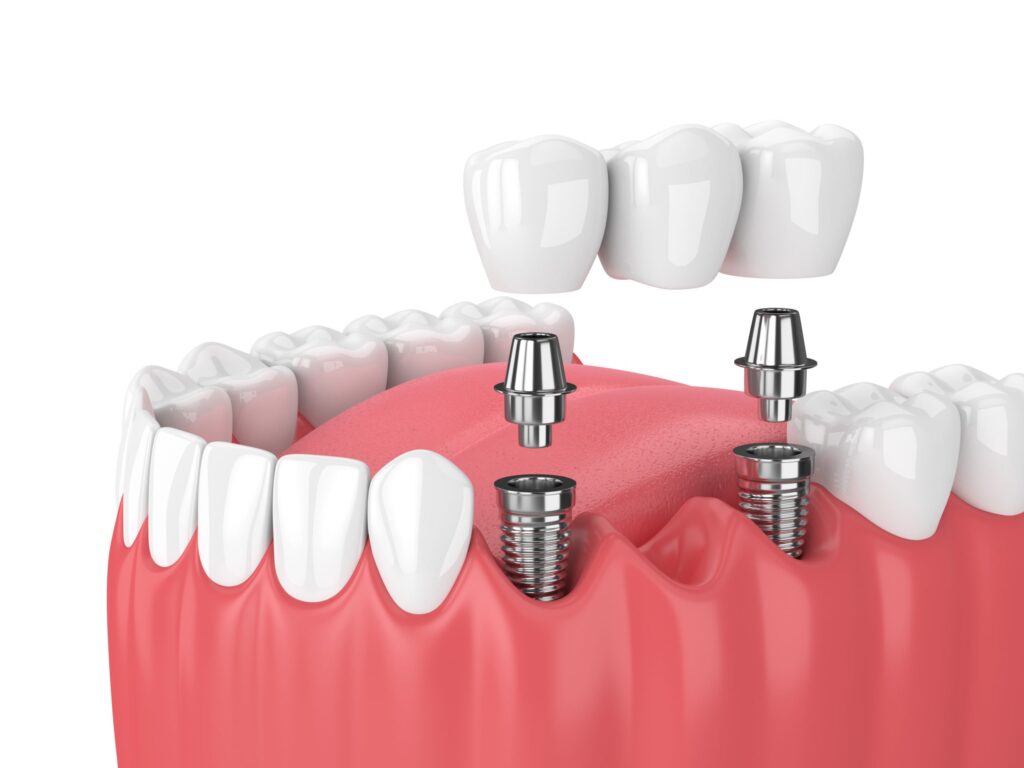
Fixed Dental Bridge

This type of prosthesis is fixed and is placed using crowns on each tooth that functions as an abutment. Fixed dental bridges are durable, which represents an important advantage for replacing missing teeth.

Removable Dental Bridge

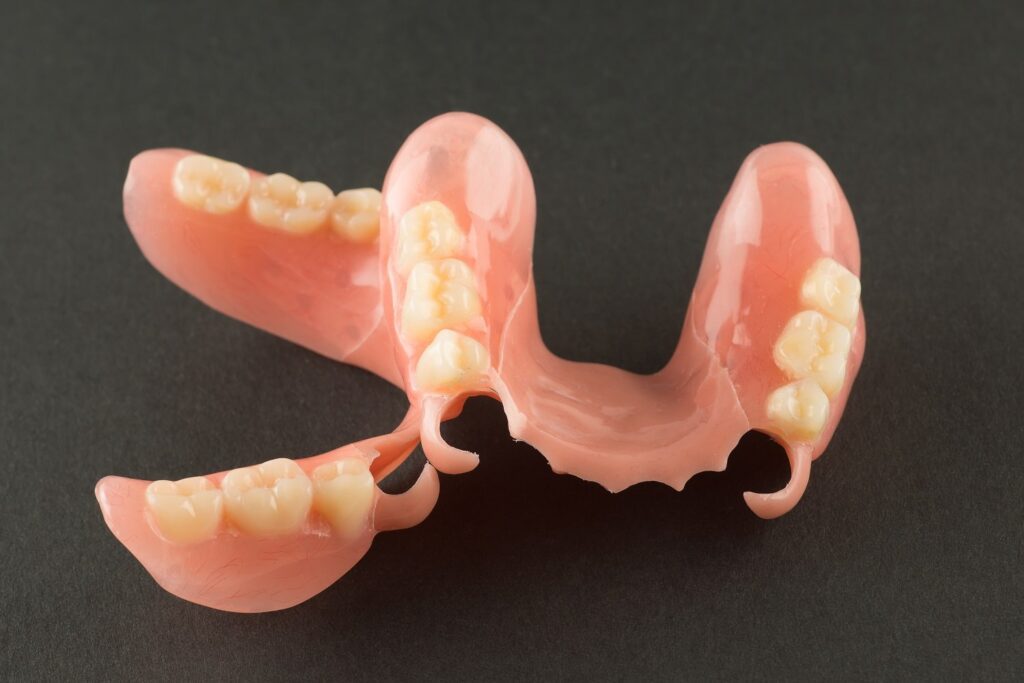
Removable dental bridges are prostheses that can be removed from the mouth for daily cleaning and care. They are attached to the teeth using an interlocking system or a metal bar.
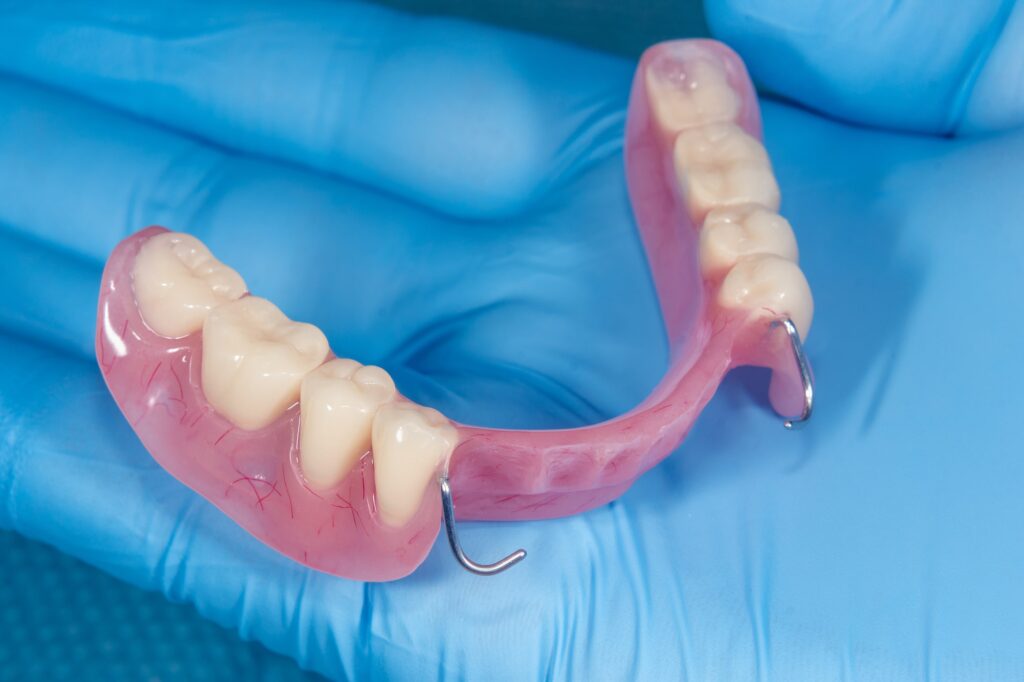
Removable Dental Bridge

These types of bridges are temporary. In addition, they are a good alternative to a fixed dental bridge. Likewise, they are proposed as a long-term option for people who are not candidates for fixed dental bridges or dental implants.

They can also be used as a temporary replacement alternative while waiting for dental implants to be placed.

Maryland Dental Bridge

A Maryland dental bridge is a type of fixed dental bridge that is attached to the teeth using two or more metal crowns. Its advantage is that it does not require lowering adjacent teeth. They are held by fins on the inside of the teeth and are especially indicated when a front tooth is missing, especially in the incisors.
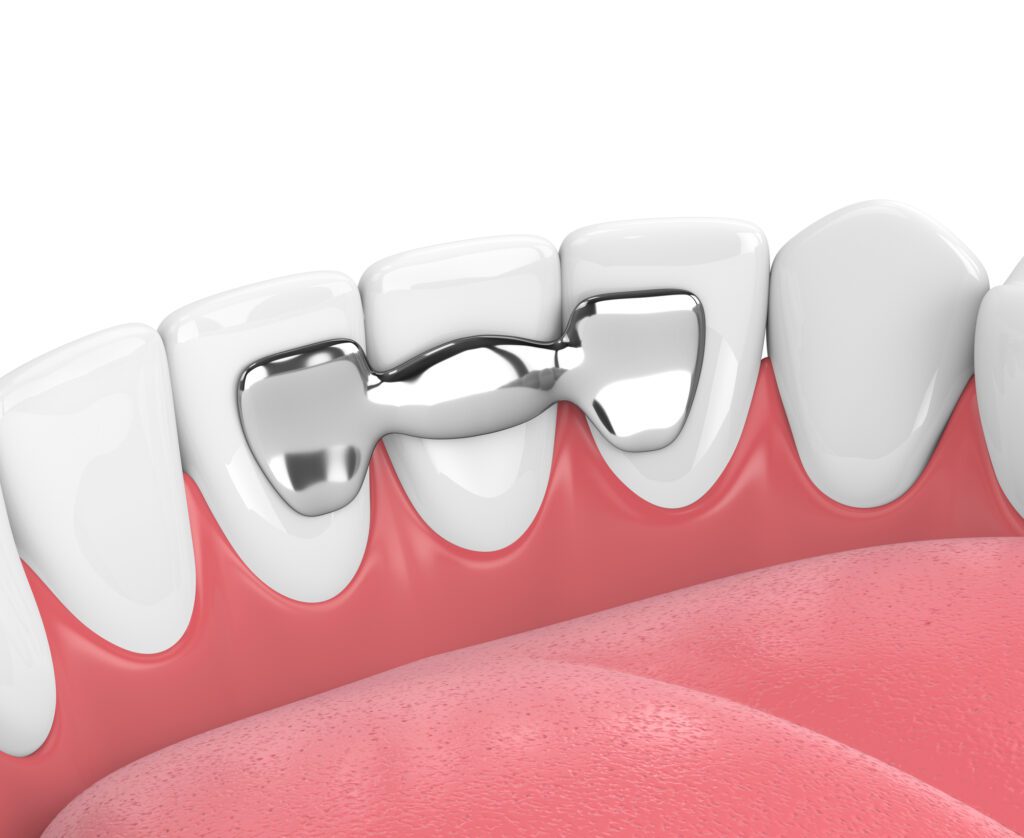
Maryland Dental Bridge

3d render of jaw with teeth and maryland bridge in gums isolated over white background

Maryland dental bridges are used when there is not enough solid tooth structure to support a traditional dental bridge. They can also be used when the teeth adjacent to the missing tooth space are too small or too weak. That is, when they are not able to support the crowns that support a traditional bridge.

It is also indicated in patients with periodontal disease who have adjacent teeth with little bone support or mobility. This type of bridge, in addition to avoiding lowering the pieces, allows us to reinforce the rest of the teeth where it is supported (as they are all joined together).

How is a Dental Bridge Placed?

The process of placing a dental bridge depends on the type of bridge being placed. In general, the process usually includes the following steps:

  • Dental exam and evaluation : The dentist will examine the teeth and gums. Additionally, it evaluates the condition of the teeth behind the area where the teeth are missing to determine if they are suitable to support a dental bridge. He also analyzes the shape of your mouth and chewing to determine the type of dental bridge that would be most suitable.
  • Tooth preparation : If a fixed dental bridge is to be placed, it is necessary to prepare the adjacent teeth. In this case, a layer of tooth enamel is removed to make room for the crowns. If you are having a Maryland or removable dental bridge placed, your teeth may not need to be prepared.
  • Taking impressions : today it is done with an intraoral scanner, which provides a better fit and greater comfort for the patient, since it is not necessary to use pastes that cause retching in some people.
  • Temporary denture placement – ​​While waiting for the bridge to be ready, a temporary denture is placed to protect the prepared teeth. In addition, it allows the patient to chew and speak normally.
  • Bridge Placement – ​​Once the bridge is ready, the dentist will place it in your mouth and adjust it to ensure it fits properly. If it is a fixed dental bridge, it is sealed with dental cement to prevent it from moving or falling out. If it is a removable dental bridge, it is attached to the teeth using an interlocking system or a metal bar.

How long can a Dental Bridge last?

The length of time a dental bridge lasts varies depending on various factors. First of all, you have to consider the type of bridge. On the other hand, it depends on the quality of dental work and oral hygiene. However, dental bridges can typically last 10 to 15 years if properly cared for.

It is important to keep in mind that proper tooth care is essential to ensure the longevity of the dental bridge. For this, it is necessary to maintain daily tooth brushing and use a soft-bristled toothbrush.

Also, use dental floss to remove plaque and tartar from between your teeth and under the bridge. In addition, it is essential to attend follow-up appointments with the dentist to evaluate the condition of the bridge.

How much does it cost to get Dental Bridge?

Finally, it remains to mention the price of dental bridges. The general cost is diverse, since it has a lot to do with the type of prosthesis that is placed and other aspects. However, let’s take as reference the recovery of a single tooth, which is a common procedure.

The price varies depending on the material used and ranges from $500 to $1,500 per tooth depending on the type of porcelain used.

The difference between these two processes is that the tooth bridge is based only on crowns. For its part, the implant-supported bridge requires the installation of dental implants.

The post Discover Dental Bridges: Costs & Recommendations! appeared first on Chagger Dental.

from Chagger Dental https://www.chaggerdental.com/blog/dental-bridges-cost/
via https://www.chaggerdental.com/

Everything you need to know about Root Canal: Procedure, Care and Recovery

These are the 5 most common doubts that our patients have when we talk about endodontics.

What is a root canal?

A root canal is a dental treatment used to prepare and save a tooth that is severely damaged or infected inside. The inner part of the tooth, known as the pulp, contains nerves, blood vessels, and connective tissue. When the pulp becomes infected, it can cause pain and tooth sensitivity, causing discomfort to the patient.

Performing a root canal involves removing the infected pulp, as well as cleaning and disinfecting the root canals of the tooth. The gap is then sealed with a special filling material. After the intervention, a crown is placed on the tooth to protect it and also restore its functionality and aesthetics. In short, endodontics is a dental treatment that can save a damaged tooth and thus avoid the need to extract it.

Why is a root canal performed?

There may be several reasons why your dentist may prescribe a root canal. Among the most frequent we find:

  1. Advanced cavities: when a cavity is not treated in time and ends up reaching the pulp, it can generate a considerable infection. Therefore, performing a root canals are usually the best option to preserve the tooth.

  2. Dental trauma: dental blows can cause inflammation or infection in the pulp of the teeth, so it may be necessary to perform interventions such as these.

  3. Periodontal disease: If, due to bone loss due to periodontal disease, the dental pulp has been affected or damaged, root canals may be necessary.

  4. Dental anomalies: In some cases, the tooth may be affected by some type of malformation that generates problems in the dental pulp and must be solved.

root canal

A root canal allows you to end the infection inside a damaged tooth, as well as the infections that it can generate and the pain that the patient feels as a consequence. The main objective of this treatment is to heal the affected tooth and avoid its extraction, since it is possible to preserve it.

Symptoms that you need a root canal, what are they?

Some of the symptoms that may indicate the need for a root canal include persistent tooth pain, extreme sensitivity to both cold and heat, swelling in the gums, pain when chewing, change in tooth color, and presence of gum abscesses.

If you notice any of these symptoms, it is important to make an appointment with your dentist as soon as possible to determine if you need root canals and thus be able to solve the problem.

How is a root canal done? What does it consist of?

The process of a root canal begins with an initial evaluation of the affected tooth, where the dentist performs an x-ray to evaluate the damage to the dental pulp and determine if a root canal is necessary.

If this is the case, the dentist will anesthetize the area and make a small hole in the tooth to access the dental pulp. The damaged or infected pulp is then removed and the root canals of the tooth is cleaned to remove any remaining tissue or bacteria. The space is then filled with the appropriate filling material and the canal is sealed with a temporary filling.

At a second appointment, a permanent dental crown is placed over the tooth to protect it and restore its functionality and aesthetics. After root canals, it is normal to experience some pain and tenderness for 8 to 10 days following treatment, although this can be relieved with pain relievers. In general, recovery can take a couple of weeks. However, if the discomfort persists, it is important that you go to your dentist to perform a check-up and make sure of the situation that exists.

root canal

Care after a root canal.

After a root canal, it is important to follow the following postoperative care:

  • Take pain relievers prescribed by your dentist.

  • Avoid chewing using the root canal tooth during the first days after treatment.

  • Maintain good oral hygiene.

  • Avoid eating very hard or sticky foods the first days after the intervention.

  • Attend your reviews regularly.

These are the 5 most common doubts that our patients have…

  1. Will I feel pain during the root canal? Some patients may feel some minor discomfort during the procedure, but no pain, since anesthesia is used in the area to minimize the patient’s discomfort.

  2. How long does it take to do a root canal? The procedure can generally last 1 to 2 hours, depending on the complexity of the case.

  3. How do I know if I need a root canal or just a filling? The need for a root canal is generally determined through an evaluation by the dentist and the corresponding dental x-ray.

  4. What are the side effects of root canals? Common side effects include temporary pain and tenderness, but are manageable with pain relievers and proper care. In addition, they disappear approximately one week after the treatment.

  5. How long will the tooth last after root canals? With proper care, an endodontically treated tooth can last a lifetime. Will he need special care? No. All you need is good dental hygiene and regular visits to the dentist.

If you feel any type of dental pain or discomfort, do not hesitate to go to the dentist to have an evaluation and assess whether or not you need root canals.

You can make an appointment with us at our dental clinic in Ontario by clicking here and filling out our form. We’re calling you!

The post Everything you need to know about Root Canal: Procedure, Care and Recovery appeared first on Chagger Dental.

from Chagger Dental https://www.chaggerdental.com/blog/need-to-know-about-root-canal/
via https://www.chaggerdental.com/

How to Securely hold Lower Dentures?

Dentures, also known as dentures, are a valuable solution for those who have lost their teeth. However, one of the common challenges when wearing a lower denture is keeping it firmly in place.

In this post, we will explain the different aspects of lower dentures, from their composition to the methods to ensure their hold effectively, as well as useful tips for those who use them.

WHAT ARE DENTAL PROSTHESES OR DENTURES?

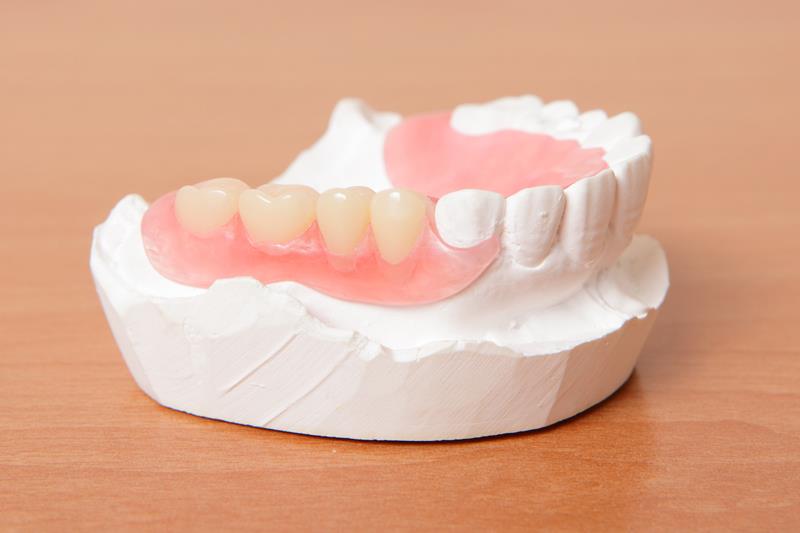
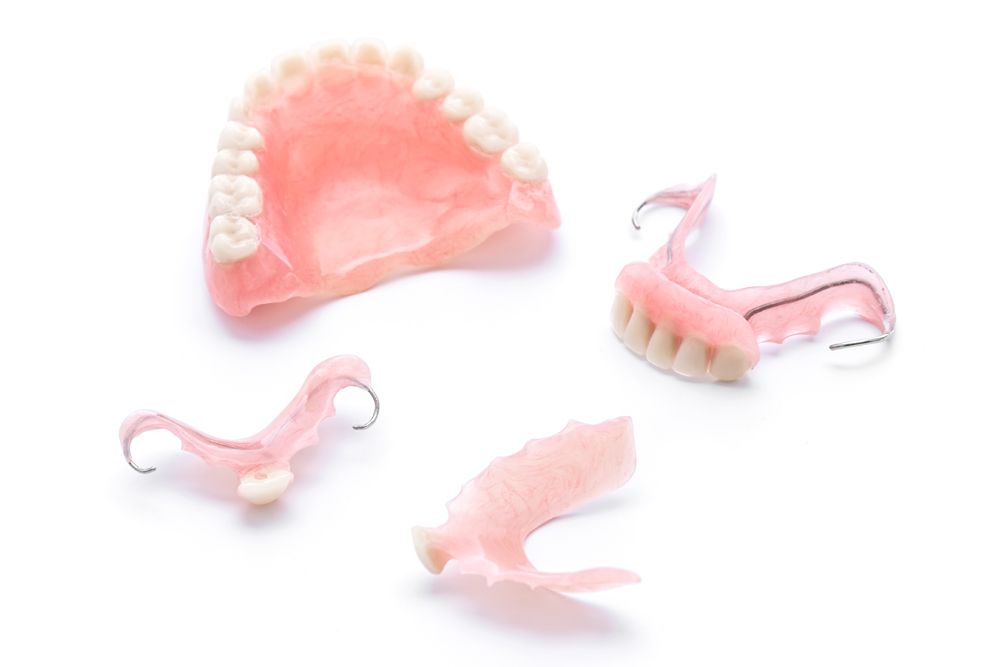
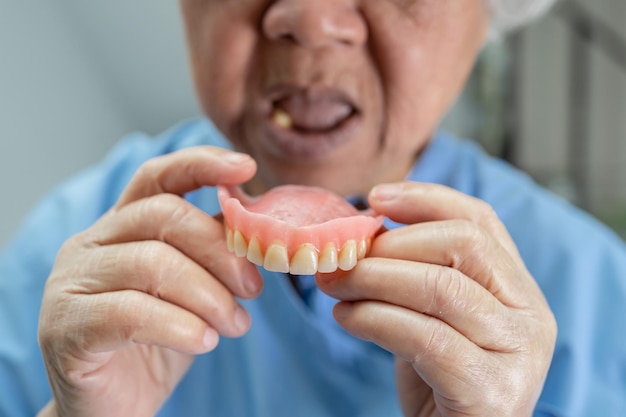
Dental prostheses, also called dentures, are devices designed to replace missing teeth and restore chewing function and dental aesthetics. They are available in two main types: complete dentures (to replace all of your teeth) and partial dentures (to replace only some teeth). This removable lower prosthesis fits the patient’s mouth comfortably.

Dental prostheses

Dentures can be made from a variety of materials, but the two most common types are acrylic dentures and metal dentures. Acrylic dentures are lightweight and less expensive, while metal dentures, generally more expensive, are durable and resist wear and tear better. The material used will depend on the patient’s needs and preferences.

HOW LONG DOES A DENTAL PROSTHESIS LAST?

The durability of a denture depends largely on how it is cared for and the type of material used. Generally, a denture is expected to last at least five to seven years. However, with proper care and regular visits to the dentist, it is possible to extend its lifespan.

METHODS FOR FASTENING DENTURES

Below we will show the different methods and you will discover how to glue a false denture and not fail in the attempt.

FASTENING DENTURES

ADHESIVE CREAMS

One of the most common ways to secure a lower denture is by using adhesive creams. These products are designed to provide a firm hold by creating a tight seal between the denture and gums.

It is important to choose a quality adhesive cream and follow the application instructions to obtain the best results.

ADHESIVE PADS

Another method of securing lower dentures is the use of adhesive pads. These pads are especially useful when it comes to partial dentures, as they can help keep the removable parts in place. The adhesive pads are easy to use and provide a comfortable hold.

POWDER ADHESIVES

Powder adhesives are an effective alternative to adhesive creams and pads. They are applied in powder form and mixed with saliva to create a natural adhesive. Powder adhesives offer a strong, long-lasting hold and are a great option for those who want to avoid the sticky feel of adhesive creams.

TIPS FOR PEOPLE WITH DENTURES

Keeping a lower denture in place is not the only consideration for those who wear them. Here are some helpful tips to ensure a comfortable and effective experience:

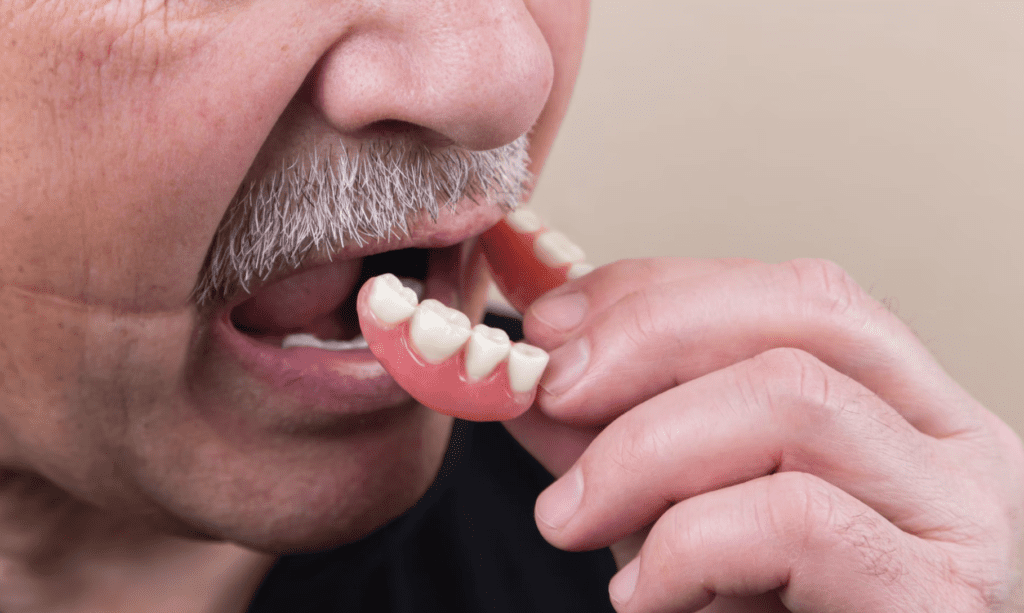
PEOPLE WITH DENTURES

  • Maintain good oral hygiene: Be sure to regularly clean both your dentures and gums to avoid oral health problems.
  • Visit to the dentist: Schedule regular dental checkups to make sure your dentures fit properly and to address any problems early.
  • Avoid hard or sticky foods: Some foods may be difficult to chew with a lower denture. Avoid extremely hard or sticky foods that could damage it.
  • Rest your gums: It is important to give your gums a periodic rest from the prosthesis to avoid irritation.

PLACEMENT OF DENTURES ON DENTAL IMPLANTS

If you are looking for a safer and more permanent solution, consider having your dentures placed on Dental Implants. Dental implants are small titanium screws that are inserted into the jaw bone and serve as a solid base for prosthetics. This option provides an extremely strong hold and a more natural feel, as the prostheses do not shift or loosen.

With proper care, Dentures can provide a healthy smile and confidence for many years.

The post How to Securely hold Lower Dentures? appeared first on Chagger Dental.

from Chagger Dental https://www.chaggerdental.com/blog/how-to-securely-hold-lower-denture/
via https://www.chaggerdental.com/

Dental Glue: Do You Know How to use it?

Have you heard of dental glue? It is a very common product that dentists recommend to those people who use a dental prosthesis or denture, to ensure its fixation.

But is this its only use or are there others? How do you use dental glue? Is it mandatory or only recommended? In this post you will find out everything you need to know about dental glue and how it is used.

Uses of Denture Glue

Dental glue is mainly used to ensure the fixation of dentures in the patient’s mouth, which is why it is very common to recommend it for removable resin prostheses, whether total or partial.

Of course, dental glue must be used once a day and be in contact with the gum for 12 hours. If used well, this time will be more than enough to guarantee the hold of the prosthesis.

Uses of denture glue

It is important to note that dental glue should not always be used. You only have to use it on dentures to ensure good hold. These are some cases in which dental glue should NOT be used:

  • Tooth fractures

  • Fix a loose tooth

  • Fall of a cover

  • Prosthesis breakage

To solve these problems, visit your dentist to recommend the appropriate treatment.

How do you apply denture glue?

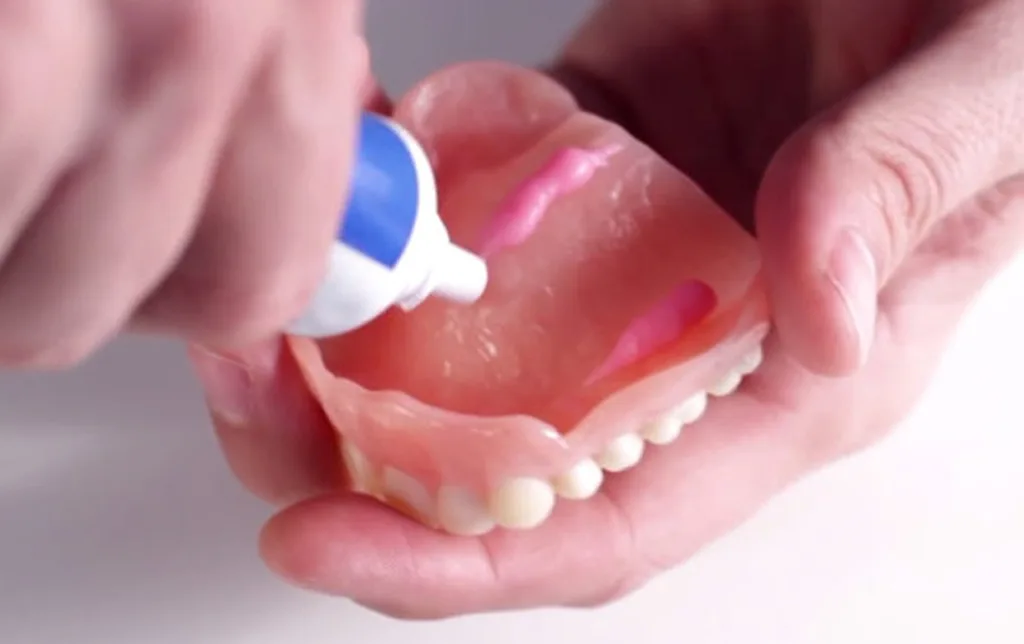
apply denture glue

This is the usual process for applying dental glues:

  • Clean the prosthesis very well with a specific brush, water and neutral soap and dry it carefully before applying the dental glues.
  • Place your dentures in the morning by applying dental glues. Remember that it is not recommended to wear the prosthesis at night or sleep with it.
  • Apply the glue by adding just three pea-sized drops to the central and lateral parts of the prosthesis. Don’t add too much glue so it doesn’t stick out.
  • Press the prosthesis lightly until you feel that it is secure.

When you have to remove the prosthesis, clean it again before storing it in its case to avoid the build-up of bacteria.

Tips for choosing the best dental adhesive

There is a wide variety of dental glues to fix dentures, but some brands stand out above the others. These are Corega, which stands out for manufacturing an effective, long-lasting and tasteless glue; Kukident, which uses a highly bonding dental glue; and Algasiv, which makes adhesive pads for dentures, thus preventing food debris from seeping into the prosthesis.

If you want to know more about dental glue or need a brand that suits your needs, remember that you can consult with the team of professionals at Chagger Dental to evaluate your case and advise you on the adhesive that best suits you.

The post Dental Glue: Do You Know How to use it? appeared first on Chagger Dental.

from Chagger Dental https://www.chaggerdental.com/blog/dental-glue/
via https://www.chaggerdental.com/

Professional Teeth Whitening, What does he have that the rest don’t?

Teeth whitening is one of the most popular techniques for aesthetic purposes today in dental clinics. The color of our teeth is one of the most important factors in having a good smile and professional whitening treatments have proven to be an easy, effective and very attractive option.

What is tooth whitening?

Teeth whitening is a treatment practiced to modify the color of our teeth in order to obtain a “whiter” smile. The process manages to reduce the color of the dental pieces by several tones. leaving teeth whiter and brighter.

It is important to clarify that teeth whitening is a dental treatment and not merely aesthetic, so it should not be taken lightly and should always be performed by a dentist chartered professional.

Why do our teeth darken?

The enamel of our teeth has millions of microscopic pores that, over time, allow a variety of organic compounds from external agents to pass through (tobacco, drinks, foods with certain pigments…) to our dentin, causing its color to darken.

The process of aging, wear and tear, trauma and our oral cleaning habits I throughout our lives are also determining factors in the shade of our teeth.

teeth whitening

How is teeth whitening done?

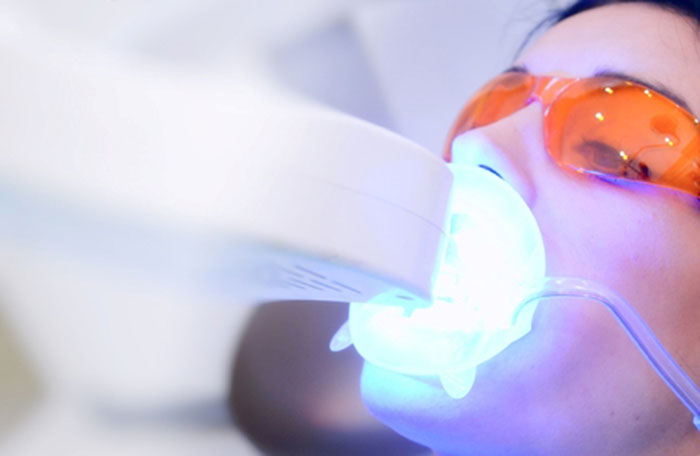
There are several teeth whitening techniques, but the most popular is photoactivation. This treatment is performed through the application of a whitening gel (carbamide peroxide or hydrogen peroxide) fewer post-treatment sensitivity problems. since it is more comfortable for our patients by causing led light whitening we use Comprehensive Dental Institute (laser, LED or ultraviolet). At the which is activated by the direct application of a light source

The three basic steps of photoactivation whitening are:

1.- Consultation and review: Your dentist will carry out a study of your mouth to ensure that is healthy (free of cavities, periodontal disease or tartar plaque) and will perform a prophylaxis cleaning in preparation for treatment.

2.- Application of the whitening gel: Using a custom-made splint , the They will protect the soft tissues of the mouth (gums, tongue and palate) and the whitening gel will be applied.

3.- Application of LED light: To intensify the effects of the gel in its release of oxygen from peroxides.

Treatment options for teeth whitening

It will be your dentist who selects the most appropriate type of treatment for your case. He will monitor the amount of product used and its correct application to prevent unwanted side effects (pulpitis, hypersensitivity, root resorptions, etc.), ensuring that there is no danger to the gums, soft tissues, or teeth. There are several ways to carry out the process:

  • Teeth whitening in clinic

As a general rule, between one and three procedures are performed, allowing a rest period between each visit if it is necessary to return. During the visit the gel will be applied once the sensitive areas have been protected and the process will be accelerated by exposure to light. The treatment time is very short, ranging between 30 minutes and 1 hour.

teeth whitening

  • Teeth whitening at home

This process can be done comfortably from home but always under the supervision of your dentist. The dental clinic gives the patient a home kit that will be applied (following the dentist’s instructions) through some custom made splints. It should continue acting for a few hours a day (it is common to perform this treatment during sleeping hours), for 3 or 4 weeks. The substances used in the outpatient technique are less concentrated than those used in the dental clinic.

  • Mixed teeth whitening

It consists of a combination of the previous treatments. Generally recommended for patients with very dark tooth color to enhance the whitening effect since its results are the most effective, being able to obtain up to 10 shades lighter once completed the process..

  • Internal whitening

Recommended only for non-vital teeth (in which for different reasons the sensitivity of the nerve no longer acts). In these cases, the treatments we just mentioned will not work well. With internal whitening, the canals of the tooth are opened and the whitening product is applied inside the tooth. Then it is sealed and left to act for a few days. The treatment can be repeated to gradually achieve the desired tone.

If the piece is damaged, restoration with dental covers or veneers can be a good alternative to match this piece to the tone achieved for the rest of the mouth through whitening.

The results of whitening will not be fully appreciated until approximately 2 weeks after the treatment. This is very important if you are going to have any type of dental restoration and want to ensure that the color matches that of your recently whitened teeth.

Results, «The Perfect Target»

Depending on the treatment selected, results of between 4 and 10 shades of whitening can be obtained on the teeth.

There is no ideal shade of whiteness for our teeth, it depends on the client’s tastes. From our clinic we recommend that you seek an improvement in your smile, preserving the naturalness of the color in the final result.

Please, do not fall into white reoxia (obsession with having whiter teeth) increasingly common, especially among adolescents and young people. Blanco reoxia drives the patient to obsessively and excessively continue with treatments and opt for homemade solutions that will only cause permanent damage to their teeth.

Is enamel damaged by whitening treatments?

The enamel of your teeth will not suffer any damage as long as the treatment is carried out by a professional. The study of the state of your teeth , and monitoring the amounts of gel used for whitening and the exposure time are key factors to ensure satisfactory and risk-free whitening.

Care after treatment

Whitening is not painful but can leave a certain temporary sensitivity to temperature, touch and pressure during the days following the procedure. treatment in the patient’s mouth. Sensitivity to cold, discomfort in the gums and even the appearance of some white spots on the gum line are temporary symptoms that will disappear after a short time. However, if side effects persist, it is always advisable to contact our clinic. There are desensitizing gels that will help you calm the discomfort and toothpaste options with potassium nitrate that also help in these cases.

teeth whitening

We also recommend avoid drinks and foods that contain acids (citrus fruits, vinegar, acidic soft drinks such as Coca Cola, Fanta, sodas…) since they will increase the sensitivity of the teeth and increase the risk of damage to the enamel when the treatment is recent.

How to maintain the effects of whitening?

The whitening effect after a professional treatment can range between 6 months and 2 years although there are cases in which the results have lasted up to 10 years.

Periodic maintenance is a good reminder treatment to preserve the color that you have obtained for longer and they are not very expensive since it is easier to preserve an already achieved tone than to obtain it from scratch. You can also follow a series of tips to prolong the effects and prevent your teeth from staining prematurely:

  • Maintain good oral hygiene: brushing, flossing, regular cleanings in your clinic…
  • Periodic whitening from home, always under the recommendations of your dentist.
  • Avoid “dark” foods and drinks: dark chocolate, soups and stews with a lot of coloring, beets, sauces (tomato, soy…), blueberries, cherries, red wine, coffee , tea, juices (orange, currant, grape…).
  • Drink with straw
  • Do not smoke

teeth whitening

What should I take into account when choosing my treatment?

The sale of whitening products and kits in pharmacies, supermarkets and other businesses is becoming more and more common, so that the patient can use them at home. Legislation requires that this type of product, designed to be used without professional supervision, does not exceed 0.1% peroxide concentration, so its whitening effect is practically non-existent .

The offer of treatments in non-specialized centers is also increasing, and it is important to know how they work before making a decision.

  • Whitening in centers not supervised by dentists

Aesthetic treatments are always tempting and have a high demand from the public (especially if they are accompanied by a promotion) which is why many centers related to aesthetics (hairdressers, spas, beauty centers…) add this service to their offer.

By law, only whitening performed in a Dental Clinic by a dentist or stemmatologist can use whitening agents with hydrogen peroxide concentrations above 0.6%, these levels are necessary to obtain the desired results.

  • Toothpaste with whitening effect

They help improve the shine of our teeth but do not perform a whitening action. They can reduce and in some cases clean some stains on our teeth, but in no case will they change the color of your teeth since the percentages of hydrogen peroxide are too low to be able to make decisive changes in the color. To perform noticeable whitening of our teeth with a lasting effect, we need to visit a specialist.

teeth whitening

  • Whitening Kits

Fortunately, the regulations on the sale of whitening treatments without medical supervision are very strict in Spain. The levels of whitening agent in these products are limited to very low percentages, so in no case are they effective in the short or medium term. Due to the Lack of prior review and adequate monitoring by a professional, these treatments result in many cases in high risks and very low benefits.

  • “Home” Teeth Whitening

Every day the number of solutions and tricks for teeth whitening with home methods increases. It is a tempting option, since, in theory, it represents a great saving for our pocket but the use of solutions such as baking soda, hydrogen peroxide, acids, etc. They can create burns in your mouth and damage the enamel of your teeth among other complications, and can become the most expensive option if your dentist has to repair damage caused by at-home experiments.

The post Professional Teeth Whitening, What does he have that the rest don’t? appeared first on Chagger Dental.

from Chagger Dental https://www.chaggerdental.com/blog/professional-teeth-whitening-what-does-he-have-that-the-rest-dont/
via https://www.chaggerdental.com/
Flexible Dental Prostheses: What are they?


If due to an illness, an injury or an accident, you have lost some teeth, it is possible that you have gone to a professional to repair something as important as your teeth . As you already know, there are several types of different prostheses, each with its advantages and disadvantages, which are indicated for specific cases. If you have questions about what flexible dentures are, you are in the right place. In this post we give you all the information you need.

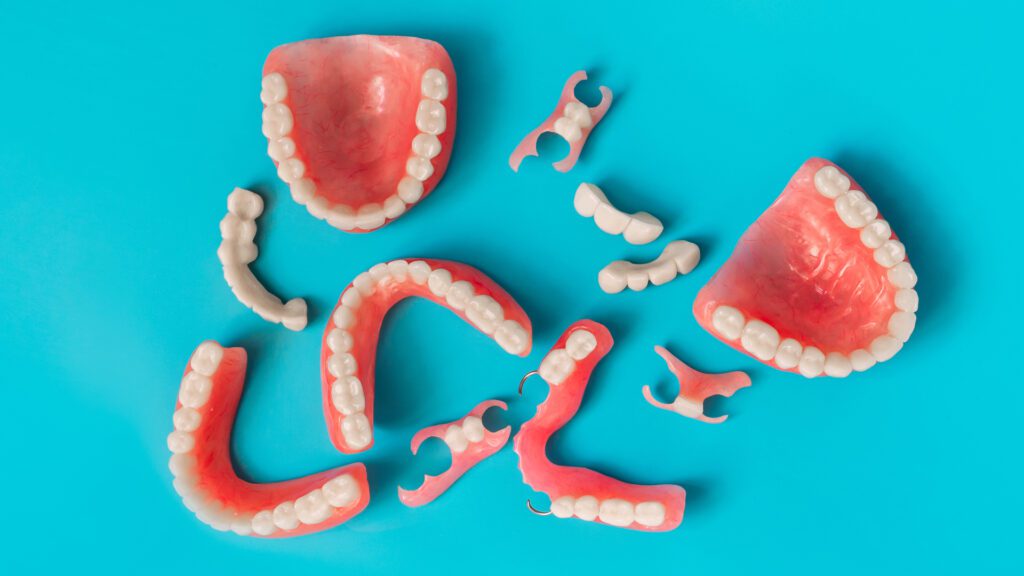
When we talk about flexible dental prostheses, we are referring to those that are not fixed, therefore, they can be removed and put on according to the patient’s needs. user. Being removable, it can be easily removed from the mouth to clean or for any use indicated by the doctor.

Flexible Dental

These flexible dental prostheses are made with elastic and resistant textile fiber. This material is known as nylon, which is practically transparent, so it allows the real color of teeth and gums to be seen. In this way, it makes it almost negligible. Likewise, this material is the most suitable for this type of prosthesis, since it is very comfortable to the touch in the mouth, it is resistant to impacts and falls, of course, waterproof and, being a semi-flexible material, it provides elastic properties highly appreciated by those who use it.

ADVANTAGES AND DISADVANTAGES OF FLEXIBLE DENTURES

Like all others, flexible dental prostheses have a series of advantages and disadvantages, which we are going to discuss below:

Flexible Dental

Advantages

  • It is made with a hypoallergenic material, that is, it does not generate any type of allergy. This differentiates them from acrylic prostheses.
  • On an aesthetic level, very good results are achieved, since flexible dental prostheses take on the natural color of teeth and gums.
  • As they are made of nylon, they are very comfortable thanks to their flexibility. In addition, they can be adjusted in terms of rigidity depending on their thickness.
  • They adhere to the gums without the need for adhesives or metal closures.
  • They are, to a large extent, resistant to shocks and falls.
  • Its manufacturing time is shorter compared to other types of dental prostheses.

Disadvantages

  • Given its translucency, nylon can present, over time, stains and pigmentations. Above all, by consuming tobacco, wine or coffee.
  • Due to their composition, it is not possible to repair them, but it is necessary to replace them completely.
  • In some patients, if their chewing force is strong, there may be a small displacement of the teeth in the prosthesis.

HOW LONG DOES A FLEXIBLE DENTURE LAST?

Flexible Dental


In general terms, and although it always varies depending on the quality of manufacture, use, and care given to them, flexible dental prostheses usually have an estimated duration of 5 to 10 years. As we say, this will depend on certain factors such as:

  • Manufacturing quality. It is important to have expert manufacturers in this type of prosthesis to maximize its quality.
  • Use. In people with a greater bite force, or with a tendency to bruxism, this prosthesis tends to be shorter in duration.
  • Careful. It is essential to clean them daily to maintain their hygiene and maximize their useful life.

WHAT IS BETTER, AN ACRYLIC OR FLEXIBLE PROSTHESIS?

Flexible Dental

It must be taken into account that both types of prostheses are indicated for people who are missing many teeth. Firstly, the removable dental prosthesis made of acrylic material has a greater rigidity than the flexible one, which makes it a little less comfortable. A point in favor of the acrylic prosthesis is that it allows adding, if necessary, another tooth, which is impossible with the flexible one.

On the other hand, the flexible prosthesis has greater adhesion, although due to this flexibility, it can rub a little more on the gum.
Finally, and as a favorable point for the flexible prosthesis, is the aesthetics. As we have mentioned previously, thanks to its translucent color, it camouflages perfectly with the color of the teeth and gums of each of the patients.

So what is better, an acrylic or flexible denture? Well, in most cases it will depend on the recommendation of the professional who is going to install them, although in terms of comfort, without a doubt, we opt for the flexible prosthesis.

In any case, if you still have any questions after reading this post, do not hesitate to contact us. Whatever your question, we will be happy to help you and we will study your case in depth.


The post Flexible Dental Prostheses: What are they? appeared first on Chagger Dental.

from Chagger Dental https://www.chaggerdental.com/blog/flexible-dental-prostheses/
via https://www.chaggerdental.com/
Invisalign Express Orthodontics: The Shortest Treatment

You may notice your self-conscious smile because of a simple defect that you think could be fixed quickly. And you may also fear wearing uncomfortable braces for months. But, luckily for you, there is Invisalign Express orthodontics. This is the shortest treatment in the Invisalign family, an Invisalign that has the same advantages as the Invisalign Full system, but designed for simpler and mostly aesthetic cases.

What is Invisalign Express orthodontics?

Invisalign Express orthodonticsLike any other version of Invisalign, Express relies on custom-made removable aligners that are changed every two weeks or so. The peculiarity of this modality is that it has a maximum of 10 sets of aligners. This makes it one of the shortest orthodontics, designed to solve micro defects in the smile or small recurrences.

It is important to clarify that Invisalign Express is only prescribed for patients who have already corrected their malocclusions with previous orthodontics, but whose teeth have moved minimally due to the lack of a retention system.

How long does Invisalign Express last?

How long does Invisalign Express last?

Invisalign Express orthodontics takes approximately 3 and a half months, in which the patient changes a maximum of 7 different aligners every two weeks. These transparent aligners are anchored in the posterior area of ​​the denture, since the objective is to move the anterior teeth, included between the first premolars.

However, although we are talking about a shorter process, it is not different from the Invisalign Full treatment in terms of technological and scientific principles. The dentist in Madrid in charge of the case will study the patient’s mouth with the ClinCheck software and will show the patient the result of her smile before beginning the treatment.

For Which cases is Invisalign Express orthodontics used?

Invisalign Express orthodontics is useful for mild crowding, teeth slightly separated by diastemas or small aesthetic improvements. It is also quite common to use it in cases of recurrence of previous orthodontics, that is, adolescents or adults who once had orthodontics and now have had their teeth relocated to their original position.

What advantages does Invisalign Express have?

advantages does Invisalign Express

Invisalign Express is especially popular among adults seeking orthodontic treatments that last less than a year to correct orthodontic relapse issues. It is a removable device, so the patient can remove the aligners to eat and to carry out their hygiene routines at home. This makes the adaptation period very quick.

In addition, the splints do not have any metal parts, which reduces dental emergencies and the appearance of sores in the mouth to almost a minimum. Each aligner is made to measure for the patient’s mouth and are transparent, so they do not affect the person’s image. In fact, this is one of the reasons why patients opt for invisible orthodontics: they are not noticeable to others, except at very short distances.

In which cases is Invisalign Express indicated?

Invisalign Express indicated

The Express modality is recommended for minimal corrections of the smile, generally at an aesthetic level in the anterior sector. It is a very effective system to solve very slight crowding, small diastemas or recurrences of previous orthodontic treatment.

Once orthodontics has been completed, regardless of the dental appliance, it is essential to begin the retention phase. It consists of placing two sets of retainers, one fixed and the other removable, in order to maintain the pieces in the position achieved thanks to the treatment. The teeth tend to return to their initial position so, if nothing prevents them, in a few months the results of the treatment will have disappeared.

Retention does not interfere with the patient’s daily life and is the only way to forever preserve the aligned, functional and healthy smile achieved thanks to the treatment.

How many types of Invisalign are there?

All Invisalign systems work in the same way, but depending on the severity of the case, the orthodontist will prescribe the appropriate version. The difference lies in the number of aligners that the patient can wear. Thus, we find several types of Invisalign:

  • Invisalign Lite for mild and moderate malocclusions.
  • For severe dental problems, Invisalign Comprehensive or Full is recommended.
  • Finally, the Invisalign Teen and Invisalign First versions are focused on adolescents and children, respectively.

The post Invisalign Express Orthodontics: The Shortest Treatment appeared first on Chagger Dental.

from Chagger Dental https://www.chaggerdental.com/blog/invisalign-express-orthodontics/
via https://www.chaggerdental.com/
Complete guide to invisible orthodontics with Invisalign Lite

The popular treatment known as invisible orthodontics Invisalign is in some cases partially covered by dental insurance. Following the introduction of the new Invisalign systems from Align Tech, the brand responsible for the popularity of Invisalign, the Lite system is now one of the most requested, and is also the lowest cost and longest lasting. Two reasons why it is the treatment with the greatest possibilities of coverage of all those from the Invisalign brand.

Invisible orthodontics with Invisalign lite is used to treat light cases of dental alignment, being able to correct minor problems with a consequent reduction in treatment time and price.

Features of the Invisalign Lite Invisible Orthodontic System

They are practically invisible transparent aligners. The aligners or splints are replaced every two weeks, with a maximum duration of approximately 6 months and are used in patients who need minor and moderate corrections.

Invisalign Lite Invisible Orthodontic System

One of the most frequent questions that patients ask when they go to the orthodontist interested in invisible orthodontic treatment Invisalign is the difference between the lite system and the full system.

Although these are two systems created under the same brand, there are 3 main differences between these two treatments. The main one is that they are aimed at different levels of dental alignment, with the Lite being the most suitable for less complex treatments.

The invisible orthodontic aligners or splints in both cases are the same. A complete Invisalign invisible orthodontic treatment usually lasts between 12 and 18 months, while the Lite system lasts between 6 and 8 months, favorably reducing the wear time of the retainers.

Invisible orthodontics with Invisalign lite is indicated for cases in which there are:

  • Crooked front teeth.
  • Minor interdental spaces.
  • Light crowding.
  • Small misalignments after previous orthodontic treatment.

What are the advantages of using the Lite system?

By using fewer retainers, due to the estimated treatment time, the cost is also reduced compared to other Invisalign invisible orthodontic systems.

If at the end of the treatment with Invisalign Lite, the dental position can still improve, the Invisalign brand allows you to request a pair of additional aligners or splints to refine the treatment, always under the recommendation of the orthodontist.

The quality of the treatment with Invisalign invisible orthodontics means that patients who have used it express their satisfaction with this system.

One of the main aspects that makes Invisalign stand out is the comfort it offers patients throughout the entire treatment.

Main disadvantages of Invisalign Lite

Removing the aligners to eat, especially at the beginning of invisible Orthodontic treatment, can be a bit annoying. This is due to the patient’s lack of habit of wearing splints. You may also experience excessive salivation during the first few days.

How to care for Invisalign invisible orthodontic aligners?

Avoid forcing the splints to unnecessary pressure, such as chewing with them or breaking foods or objects of considerable hardness.

Keep in mind that the aligners should be washed at the same time as your teeth, before replacing them. This is the main annoyance, since the rest are benefits and advantages, compared to other invisible orthodontic systems.

How do you know if you can opt for Invisalign Lite?

How do you know if you can opt for Invisalign Lite?

To find out if you are a candidate to use the Invisalign lite system, the first thing you should do is go to an appointment with your orthodontist or ask at a Dental Clinic Like Chagger Dental specialized in invisible Invisalign orthodontics, with a team of Dentists in Ontario. Once the suitability of your case is confirmed, you can be sure to see the alignment of your teeth corrected in record time and without the need for prior treatments.

Knowing that the health coverage offered by dental insurance can vary significantly, it is advisable to request a review of it with an insurance agent or contact your insurance company directly.

The post Complete guide to invisible orthodontics with Invisalign Lite appeared first on Chagger Dental.

from Chagger Dental https://www.chaggerdental.com/blog/invisible-orthodontics-with-invisalign-lite/
via https://www.chaggerdental.com/
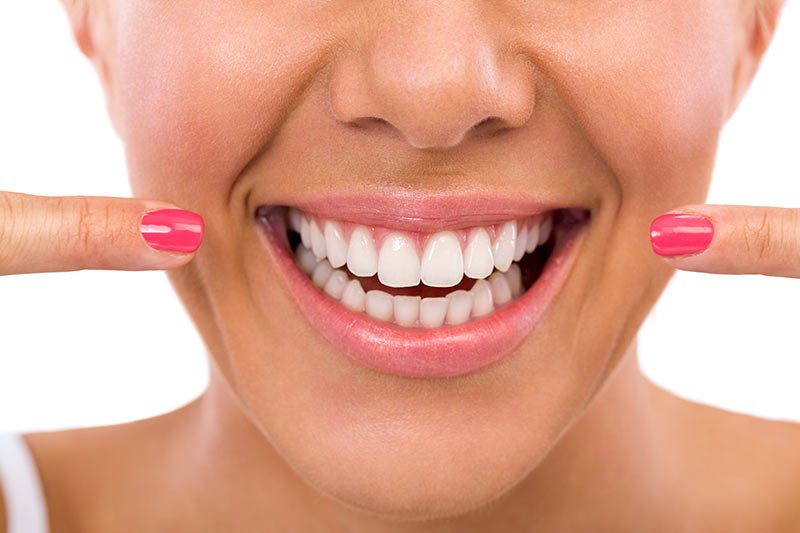
7 Tips to Choosing Your Dentist Well

Many people are afraid when they find themselves having to go to the dentist, which is a serious problem since they do not properly take care of the health of their mouth. For that reason and with the aim of finding a dentist you trust, we are going to analyze the 7 tips to choosing your dentist well, so that in a short time you lose that fear and guarantee your oral health.

1. Ensuring the Legitimacy of Your Dentist: Importance of Registration and Verification

Ensuring the Legitimacy of Your Dentist: Importance of Registration and Verification

As a medical professional, the Dentist must be registered, so he must provide you with a registered number to verify that he is really working officially.

If you do not want to ask the dentist, you can contact the college of dentists in your province, where they can confirm if they are registered, and if not, they will act against them.

This is very important since it not only shows that you have the preparation to work as a Dentist, but it is also essential that you are registered so that it can cover you in case a problem occurs with any work.

2. What are your Specializations?

Within the dental field there are different specialties, which can be very useful when it comes to receiving more complete care, so it may be interesting to know if, in addition to the official qualification, the dentist also has complementary training.

3. Embracing Progress: Evolving Dentistry for Safer and More Comfortable Experiences

Embracing Progress: Evolving Dentistry for Safer and More Comfortable Experiences

The world of dentistry is advancing very quickly, which means that new techniques are appearing and new technologies are being developed that make going to the dentist increasingly safer and with less discomfort.

A Dental Clinic that is always updated and uses materials that meet the highest demands will be a place that arouses greater confidence on our part.

4. Importance of Direct and Clear Communication with Your Dentist

In addition to properly caring for the patient, it is also very important that there is close, direct and clear treatment.

It is very important that when we go to the dentist, he is the one who informs us about everything that concerns the state of our mouth and its needs, avoiding intermediaries or other workers at the center who transmit this information to us.

Direct dealings with the dentist are very important, which in turn will allow any type of doubt to be resolved in a clear and concise manner, without errors and without last minute changes.

In order to trust a dentist, it is necessary that they convey confidence and adequately explain the entire process, clarifying any doubts that are necessary and dedicating the necessary time so that we can leave the consultation with clear ideas.

5. The reputation you may have on the Internet

Nowadays, the Internet is undoubtedly an invaluable source of information, through which we can learn about the reputation of a dentist based on the experience of other previous clients.

It is important in this sense to take into account a couple of details, and that is that most of the time, we give our opinion when we have had a bad experience, in addition to the fact that it is also possible that there are comments that are intended to tarnish the image of the professional, Therefore, when we read opinions on the Internet, we must value them further, and keep in mind that many may not be useful.

6. Hygiene and Sterilization Measures

Hygiene and Sterilization Measures

Hygiene is essential within the Dental Clinic, so we will only trust dentists who comply with hygiene and sterilization measures, which includes everything from the use of gloves to the use of autoclaves for sterilization, disinfection of the material, washing instruments manually, etc.

7. The Information you Provide About the Problem and Treatment

We mentioned before that communication with the dentist is very important, and in this sense, we must avoid those supposed professionals who tell us that we need treatment but do not go further.

What we need is for the professional to explain to us clearly and completely the treatment they recommend, the reasons why they do it and what we are going to achieve once it is finished.

This means that you must make a clear diagnosis, add guidelines on treatment, the maximum duration, the tests that we will need during it and of course also if subsequent maintenance is necessary.

The post 7 Tips to Choosing Your Dentist Well appeared first on Chagger Dental.

from Chagger Dental https://www.chaggerdental.com/blog/tips-to-choosing-your-dentist/
via https://www.chaggerdental.com/
What is the Postoperative Period Like after a Gum Graft?

Dental surgery and periodontics are two of the specialties that we work in our Dental Clinic. On this occasion we will talk about a very interesting topic: the gum graft and what its postoperative period is like.

Receding Gums. Why does it happen?

Receding Gums

First of all, we are going to analyze the symptoms for which a gum graft may be required. The main one is that these have been damaged after severe periodontitis .

This gum disease is capable of wearing down the tissue attached to the tooth, making it increasingly smaller in quantity.

Habits such as smoking or inadequate tooth brushing can promote the appearance of this disease.

In addition to greater tooth sensitivity, receding gums can cause tooth mobility and affect the aesthetics of the smile, since much more of the teeth will be shown.

What is gum grafting?

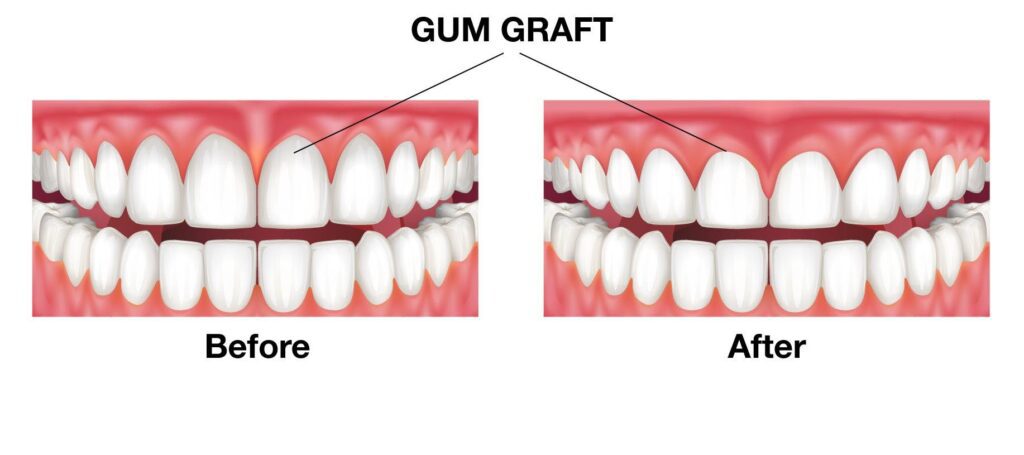
Gum grafting is a microsurgery that represents the best solution to recover damaged gum, avoiding possible problems that could arise from this retraction.

This minimally invasive technique consists of removing a small amount of soft tissue, generally from the patient’s palate, with the aim of placing it in the area where the gum is receding.

Thanks to this procedure, the patient will be able to recover the health and aesthetics of their gums and, therefore, their smile. In addition, it will minimize the risk of losing teeth and symptoms such as tooth sensitivity will disappear.

What are the results of a gum graft?

What are the results of a gum graft

These types of interventions are more common than it may seem and the results are very satisfactory for our patients.

The procedure is minimally invasive and consists of taking a little tissue from the palate to cover the area of ​​the tooth that has been left without the protection of the gum.

Gum and bone graft. What does it consist of?

In more complex cases, where the patient has lost not only gum tissue but also bone tissue, bone regeneration may be necessary.

This process is very useful when the patient does not have enough support to place a dental implant, which is why it is necessary to proceed to solve the problem.

Is gum grafting very painful?

The gum graft does not hurt, since it is performed under local anesthesia. Before starting the intervention, anesthesia is applied to the palate and from then on the patient does not notice any discomfort.

I have white fabric, is it normal?

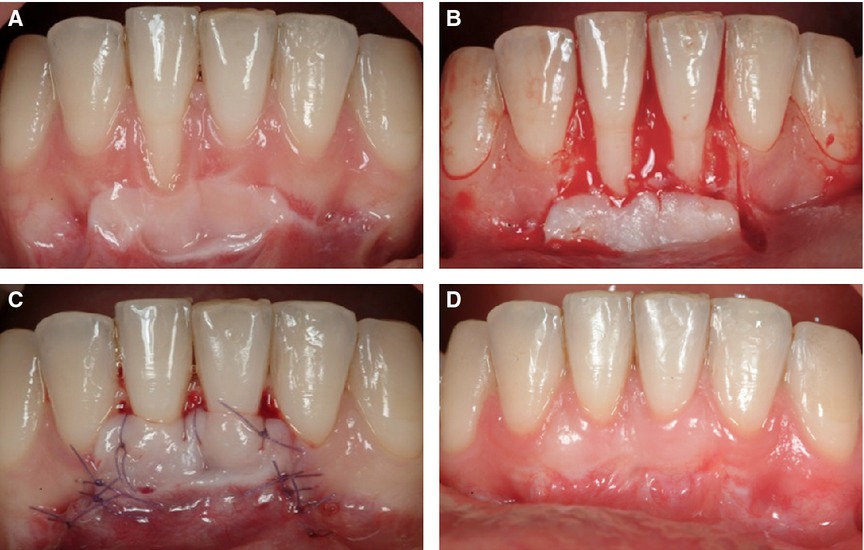
Although it may seem very scandalous, white tissue inside the mouth is normal as it is part of the scarring and healing process of this procedure.

Just like when a sore appears in the mouth, at first it is white but little by little it changes color to adapt to the color of the rest of the mouth.

In this case, white areas may appear that are completely normal around the operated area.

Evolution of a gum graft

Evolution of a gum graft

In any case, recovery after a gum graft has a very favorable prognosis for the majority of patients, as long as the recovery guidelines indicated by the specialist are respected.

Can I request sick leave for this intervention?

The gum graft is a minimally invasive procedure that does not cause pain for the patient, but there may be difficulties eating normally in the days following the intervention.

If the work requires some physical effort, it is highly recommended to request leave, given that for three or four days it is vital to let the area rest and not carry out activities that require physical effort.

What is the postoperative period like after a gum graft?

The postoperative period that our dental microsurgery specialist will recommend is very simple. First, it will be important to place ice on the operated area for four or five hours after the intervention.

In the following days, as we have mentioned, we will have to avoid all types of physical efforts and activities and take anti-inflammatories that will be prescribed by our dentists in Barcelona.

What is recovery like?

After carrying out this simple microsurgery, we recommend you follow these recommendations :

  1. After surgery, apply ice for 4 or 5 hours to reduce discomfort.
  2. Avoid practicing sports and exertion during the week after the intervention.
  3. Follow a diet based on soft, warm or cold foods for the first two days.
  4. Rinse with chlorhexidine mouthwash for at least 15 days. In this sense, you must be careful the first few days and not make too much effort to avoid displacement of the gum graft.
  5. Avoid tobacco , both for the sake of your gums and for your general health.
  6. Maintain adequate oral hygiene .

Post-operative advice after a gum graft

As a general rule, the most useful advice for the postoperative period of a gum graft is based on following the instructions of our specialist and being careful with diet and oral hygiene.

On the one hand, it is advisable to avoid hard foods; it is better to opt for broths, soups and purees that do not require chewing to avoid discomfort.

Regarding hygiene, it is important to rinse your mouth with a mouthwash that contains chlorhexidine, to disinfect the area and ensure good dental hygiene. Finally, smoking is not recommended in the days after the intervention.

By following these tips our dentists in Ontario will ensure that the intervention is a success.

The post What is the Postoperative Period Like after a Gum Graft? appeared first on Chagger Dental.

from Chagger Dental https://www.chaggerdental.com/blog/postoperative-period-like-after-a-gum-graft/
via https://www.chaggerdental.com/

Design a site like this with WordPress.com
Get started