Dental crowns: types and prices

What is a dental crown and what is it for?

Crowns or dental covers are one of the possible solutions to preserve each tooth . As time goes by, different dental problems may appear that we will have to solve as soon as possible to avoid further damage such as losing a tooth and needing dental implants. You may be interested in this topic because you are looking for a dental crown budget that fits your budget or because you want to know what types of covers exist and what each one is for. In that case, continue reading this post because we will tell you everything you need to know about the subject.

dental cover is a structure tailored to each patient, imitating the shape and color of their teeth. It is used to cover a tooth that has some type of damage and fits perfectly on it. The result is usually very natural, making it look like a real piece.

A dental crown may be necessary in different situations, although the most common are:

  • To cover a damaged tooth that is missing some part due to a root canal or filling. In some cases, the crown is placed on a metal post or pin, or on a fiberglass reconstruction.
  • To support a dental bridge in case the surrounding molars or teeth are missing.
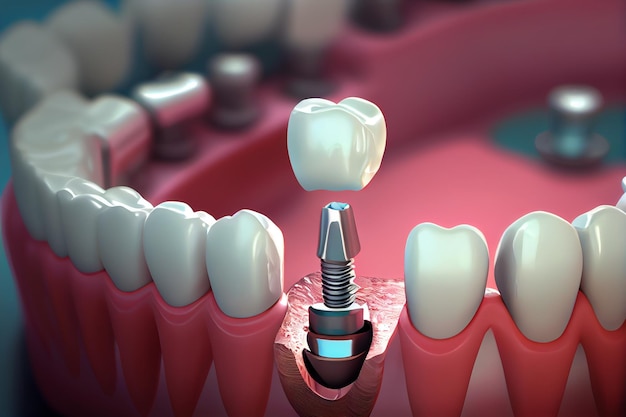
  • Crown on dental implant to complete it.
  • To cover a tooth or molar that looks bad, that is, for aesthetic reasons .

In addition to the aesthetic utility, crowns serve to protect the tooth underneath. This way we can eat completely normally without fear of the damaged tooth suffering fractures or damage.
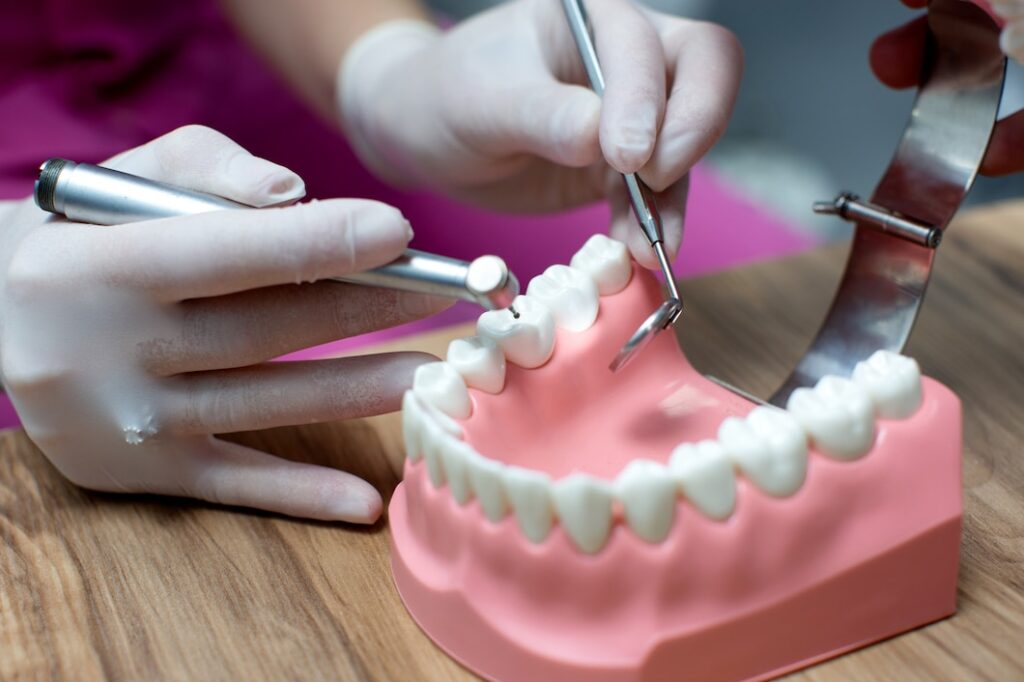
dental crown and what is it for

Types of dental crowns: what does each one cost?

As we explained, a dental crown may be necessary in different cases, so there are different types of caps depending on each situation.

Porcelain and ceramic covers: the most used

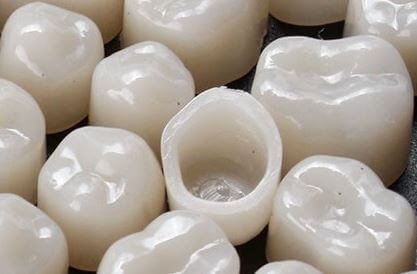
This type of dental crowns are the most in demand because they imitate the appearance of the tooth very well. Therefore, they look very natural once applied and it is barely noticeable that it is a coating. They are resistant, although not as resistant as those made of other materials. The price of the porcelain dental crown is between $1,500 to $2,500 per tooth in Canada.

Resin dental crowns as an economical or temporary solution

Composite resins are not recommended for the manufacture of covers because they are not very resistant and tend to fracture. It is true that they are cheaper than the rest, but the resistance is much lower. For this reason, they are sometimes used as a temporary solution until the definitive cover is ready.

Zirconium crowns: an aesthetic alternative

It is a material with qualities similar to those of the tooth’s natural enamel; the color and morphology are almost identical. It lets light pass through in the same way and the appearance resembles that of molars. They are the most used to cover visible teeth when smiling, but they are not recommended for molars since zirconium is not the most resistant material. The price of a zirconia dental crown is between $1000 and $2500

Metal dental crowns for life

Metal covers can be made of different materials :

  • Platinum and nickel
  • Oro

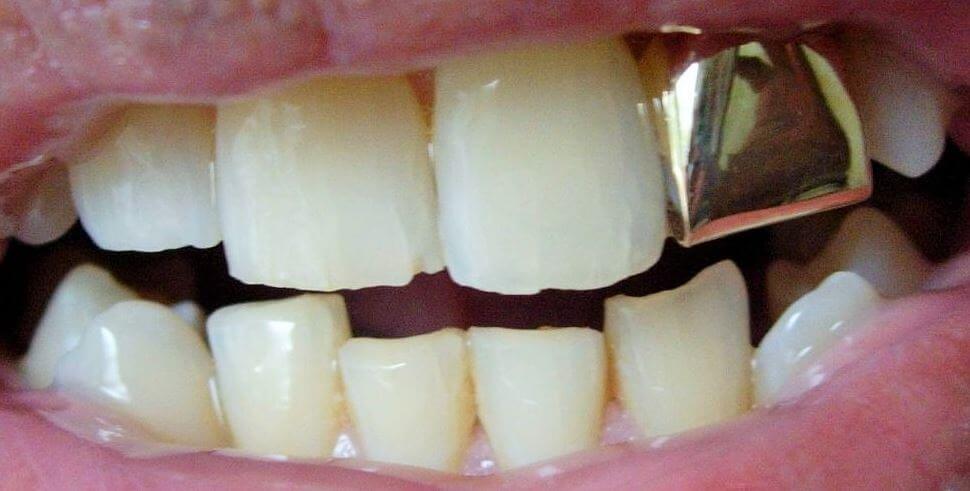
These metals are very resistant although not very aesthetic. They usually last a lifetime but seeing a metallic or gold-colored tooth is not what they like the most, so they are no longer used. Plus, gold ones are very expensive.
dental crown last

Combined materials: porcelain crown on metal

They are perfect for those cases in which the tooth is very affected. The base that fits over the root is made of metal, which gives it great resistance. Above it is the visible part, which is made of porcelain to make it look like a real tooth. If the patient suffers from receding gums, this dental crown is not recommended because the metal part may be visible. It can also happen that the porcelain wears over time and the metal base ends up showing. The prices of crowns of this type are between $600 to $1,200.

Dental metal crown in children: stainless steel

They are only used on baby teeth that are too damaged to find another solution. To avoid this, it is better that we take the children for an annual check-up. If any cavities or problems are detected, there will be other prior and less drastic solutions. The average cost of a porcelain crown in Canada ranges from $800 to $1,500, while the average cost of a metal crown ranges from $600 to $1,200.

Dental crowns and its prices: recommendations

The prices we talk about in this post are estimates. The amount to pay depends greatly on the city in which the dental clinic where we are treated is located. It even depends on the dentist who treats us. Thus, in large cities prices can be more competitive because there are a greater number of places to go. On the other hand, the quality of the dental service offered to us also varies the price. At Chagger Dental we can help you save on dental treatments. Visit our website and discover how you can benefit.
dental crown last

I need a dental crown, what is the process to follow?

First of all, whenever we detect discomfort or dental problems, we should go to the dentist . This professional will be the one who tells us the steps to follow. If you need a dental crowns, the usual thing is:

  1. Most of the time, we need a dental cover because we have lost an important part of the tooth after a root canal. If so, we will have to wait a few days after the endodontist has performed this treatment.
  2. It is likely that before putting on a cover, the dentist will need to place a pin to support it. In most cases it will be metal, although more and more are made of fiberglass. If it is going to be metallic, the dentist will place a paste on our teeth to make a custom mold that will later be sent to the laboratory. There they will manufacture the exact hinge we need and in a week it will be ready to be placed on us.
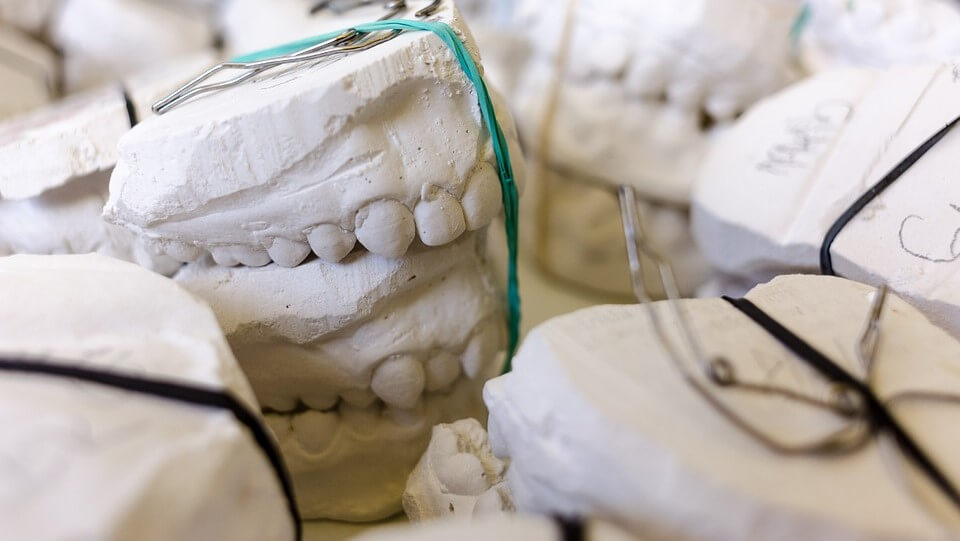
  3. When we have the post fixed on the tooth, the dentist will carve it and take impressions of our mouth again to send them to the laboratory. In addition, he will measure the color of our enamel so that the dental crowns they will make is as similar to our enamel as possible. With the exact mold and color, they will create a custom tooth, with the necessary materials and shape depending on our bite.
  4. Once the dental crown is received , the dentist will fix it on the post with a very resistant glue. Thus, we will be able to eat and smile normally, as if it were our own tooth.

Sometimes it is possible to place the dental crown directly on the tooth, without the need for a root canal or post.

How long does dental crowns last?

Tooth covers can last more than 30 years , although it is usual for them to last in perfect condition for between 15 and 20 years. This will depend on our occlusion or bite and how much we take care of our dental health . For example, if we need orthodontics because our teeth are out of position, we are at greater risk of the cap shifting or fracturing over time.
dental crown

On the other hand, good oral hygiene also helps preserve the cases. Brushing our teeth 3 times a day, flossing at night and having our teeth cleaned once a year are some guidelines to achieve a good routine that helps us keep all our teeth, crowns and implants in the best condition.

We must emphasize that if we suffer from a dental disease such as pyorrhea or if we have a bone problem, it is likely that the covers will come off more easily.

Do you already know how to choose a dental crown?

As you can see, dental covers are very important to take care of our dental health and to avoid the loss of molars or teeth. Therefore, going to the dentist as soon as possible is a fundamental issue. If you do not have a quality clinic and need this type of dental treatments , we invite you to visit Chagger Dental. Our dental service is one of the most complete and economical because quality should not be at odds with an expensive crown. Contact us and take advantage of good discounts at the best dental clinics in your city.

The post Dental crowns: types and prices appeared first on Chagger Dental.

from Chagger Dental https://www.chaggerdental.com/blog/dental-crown-costs/
via https://www.chaggerdental.com/
Treatment with Dental Bridges vs Dental Implants

Losing your teeth can sometimes put a strain on your self-confidence. Missing or extracted teeth can raise concerns about infection, but permanent solutions are available today as dental treatments have come a long way since the turn of the century.

Since implants and bridges are easy treatments to get, the questions you should ask your dentist or prosthodontist can be quite a few: What is the difference between a dental bridge and an implant? What is the most suitable treatment option for you?

Many factors will influence your decision, including something really important: whether you just lost a tooth or whether you lost it a while ago.

Both approaches present some challenges, and the treatment options for each also differ.

Dental Bridges

Dental Bridges

What is a dental bridge?

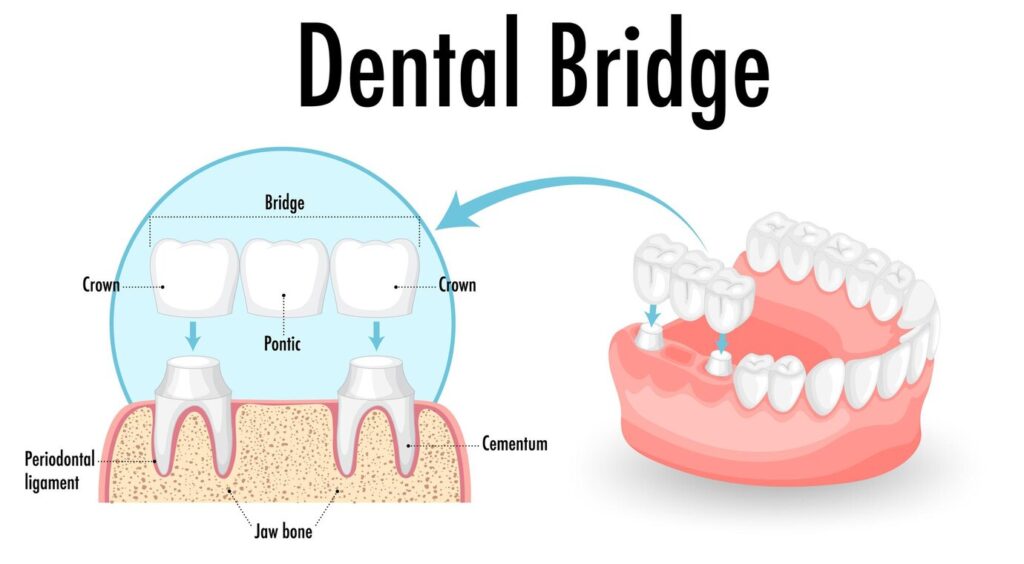
Dental bridges are used to cover the gap between one or more missing teeth. The bridge is supported by natural teeth or implants on both sides. It is made up of two or more crowns that create support on both sides of the gap.

How does it work?

As an important prerequisite, it is necessary to shave or cut the adjacent teeth, removing most of the enamel, in order to permanently cement the bridge in alignment with the other teeth and adjacent gum. Lastly, a cap is placed over each tooth, which is essentially the long bridge that covers the missing teeth underneath.

Sometimes, there are no teeth on both sides of the gap. One solution for this is to use a “cantilever bridge.” A single tooth is fixed on one side, and the bridge device is placed on top.

Some of the benefits and challenges of a bridge

  • Non-surgical procedure
    The entire procedure is simple; It is non-surgical, unlike implants, so it is less painful. A bridge works directly without the need for bone grafts, in the event that there is bone loss in the patient.
  • Faster
    It is much faster to opt for a bridge than for implants. Patients are usually ready within a few weeks of preparation and then final fabrication of the bridge. Implants can take a few months.
  • Economical
    A bridge is comparatively cheaper than an implant, which can be expensive. The affordability of a bridge makes it more common among patients who have to keep the economy in perspective.
  • Easy to Chew
    Chewing is easy without any discomfort.

Some disadvantages of a bridge

  • Aesthetically more evident
    Bridges are less aesthetically attractive than implants, since they do not appear as natural as these.
  • Load on the surrounding structure
    One of the main disadvantages of a bridge is that they place a large load on the surrounding structure, especially on the two teeth that are cemented to the bridge. And for that same reason, they do not last permanently, and need to be replaced periodically after every 7-10 years.
  • Unnecessary tooth loss
    To “prepare” the adjacent tooth, it involves a lot of shaving and stripping of a healthy tooth, which means a loss to the healthy natural tooth.
  • Difficulty maintaining hygiene
    Sometimes it is difficult to clean or floss the tissues and gums surrounding the bridge due to their bulky mass. Maintaining hygiene can be a challenge.

Dental Implants

Dental Implants

Dental implants have been a revolutionary advance in tooth replacement. They are apparently identical to natural teeth in function, strength and aesthetic appearance. They are embedded in the mouth through a surgical procedure.

How is an implant placed?

Every time you lose a tooth, it is much more than just a tooth. Bone, ligaments and nerves also end up being lost. When all of this is lost, the supporting area of ​​the tooth begins to slowly deteriorate. A dental implant replaces the entire missing structure with a metal post, which is usually made of titanium. After a few months, new bone will grow around the implanted metal post. Once it has been properly embedded, a crown is screwed onto this metal implant and secured firmly.

Important Requirement

An important prerequisite before having implants placed is to obtain a complete set of detailed digital radiographs and diagnostic planning. This determines the most feasible option for implant treatment.

Let’s take a comparative look at its advantages and disadvantages

Advantages of an implant

  • Natural and long-lasting
    Implants look just like natural teeth. They are more durable than bridges and last a lifetime.
  • High success rate
    It has a high success rate in terms of the desired results.
  • Maintains bone structure
    Maintains bone structure and prevents further bone loss.
  • Prevents gum problems
    They are resistant to gum problems and tooth decay due to their strong metallic composition.
  • Easy to clean
    They are easy to clean, and flossing between them is simple.

Disadvantages of an implant

Below are some of the disadvantages of opting for implants:

  • Long Process Time
    Implants take a long time and can take up to 3-6 months to fully integrate into the jaw bone, a process known as osseointegration.
  • Surgical risks
    They are known as implants because they are implanted through a surgical procedure, which can impose its own risks. As it is an invasive procedure, the patient feels distress and healing requires time.
  • Expensive
    Implants are very expensive compared to a bridge, and sometimes several teeth have to be replaced. Even a single implant can cost several thousand dollars.
  • Other Complications
    Often, additional bone is also used to implant teeth aligned with the jaw structure, making the treatment longer and somewhat complex.

Data on missing teeth by age
Between the ages of 5 and 10, how many children in Canada have cavities, fillings or missing teeth?
About 1.5 teeth

Between the ages of 15 and 34, how many Canadians have decayed, filled or missing teeth?
Approximately 4.5 missing, decayed or filled teeth requiring dental care

How many older people, between 55 and 74 years old, have cavities, fillings or missing teeth?
Senior citizens need the most dental care for missing teeth, fillings or cavities, with 22.2 teeth affected in this age group!

What would be recommended?

To conclude, your most important task is to ensure the most feasible and appropriate treatment for your missing tooth. You can take this opportunity to talk to your dentist about what treatment is best for you, as options may vary depending on individual needs. A trained dentist will carefully lay out all the particular considerations before you, in order to guide you through the best recommendation for you. By carefully writing down all the useful information, you will ensure that you have a trouble-free tooth replacement journey with satisfactory results in the end.

The post Treatment with Dental Bridges vs Dental Implants appeared first on Chagger Dental.

from Chagger Dental https://www.chaggerdental.com/blog/dental-bridges-vs-dental-implants/
via https://www.chaggerdental.com/

Foods for healthy teeth and gums

The health of our teeth and gums depends on our diet. In addition to calcium and vitamin D, other minerals and vitamins play an essential role for teeth and gums: phosphorus, fluoride, vitamin A, B and C.

Food is decisive in our general health. Logically, it also influences the state of our oral health.

There are nutrients whose participation in the formation and health of teeth and gums is essential; These include calcium, phosphorus, fluoride, vitamin D, vitamin A and B vitamins. Milk and dairy products are a group of foods that are an excellent source of most of these elements: calcium, phosphorus, and vitamins A, D and B.

Nutrients for healthy teeth and gums

Nutrients for healthy teeth and gums

Calcium:

It is an essential element in the formation of bones and teeth. 99% of the calcium in our body is found in them. The remaining 1% is in the blood, extracellular fluid and adipose tissue. Calcium is necessary for the transmission of nerve impulses, for muscle contraction, for blood clotting and for the functioning of the heart and the maintenance of blood pressure. It also prevents the formation of colon tumors and the formation of kidney stones.
An average amount of 1,000 mg of calcium per day is recommended. The main source of calcium in the daily diet is milk and its derivatives. There are other foods that contain calcium: cereals, dark green vegetables, nuts, beans and especially small fish that can be eaten with bones such as sardines or anchovies.

Phosphorus:

It is the second most abundant mineral in the body. It constitutes the structure of bones and teeth together with calcium. Among other functions, it contributes to maintaining the activity of the muscular system and the acid-base balance of the body.
It is found in foods of animal origin such as milk and its derivatives, eggs, fish and also in foods of plant origin such as legumes, nuts or zucchini.

Fluoride:

Taken orally, it is especially useful in the stages of life in which teeth are forming. Strengthens the structure of tooth enamel, protects against cavities and remineralizes enamel. An excess dose can alter the tooth structure, causing what is known as fluorosis.
It is found in water at various concentrations depending on the geographic region and in foods such as tea. In smaller quantities in other foods of plant origin: tomatoes, beans, lentils, cherries, potatoes. In animals: mackerel, sardines, beef liver, fresh fish.

Vitamin D:

Facilitates the absorption of calcium and phosphorus.
It is found in oily fishfish liver oil, margarine, eggs, milk and dairy products. A part of this vitamin is formed in the skin by the action of the sun’s rays, hence the importance of exposing ourselves to moderate sun, especially children (they are in the period of tooth and bone formation) and the elderly (the absorption capacity decreases). digestive system of vitamin D provided by food).

Vitamin C:

It intervenes in the synthesis of collagen in the gums and the rest of the body. In addition, it intervenes in the formation of cartilage, tendons, bones and teeth, promoting the adequate formation of osteoid material and the function of osteoblasts. On the other hand, vitamin C protects the integrity of blood vessels, maintaining their adequate permeability, thereby protecting the periodontium from bacterial attacks.
It is found in well-known fruits such as citrus fruits (orange, lemon, tangerine, grapefruit), kiwi, fresh soybeans, tomatoes, green pepper, lettuce, potatoes, cauliflower.

Vitamin A:

It intervenes in the formation and development of bones and teeth, prevents infections and has antioxidant and anti-cancer functions. Its deficiency produces alterations in the structure of bones and teeth and dryness of the mucous membranes, which increases the predisposition to cavities and infections.
It is found in foods of animal origin such as oily fish, liver, egg yolk, butter, cheese, whole or enriched milk. It is also found in foods of plant origin such as apricot, melon, carrot, mango, peach, spinach, Brussels sprouts, tomato, loquats.

Vitamin B:

  • Vitamin B2 : found in milk, cheese, eggs, liver, legumes, green vegetables and brewer’s yeast. Its deficiency produces glossitis (inflammations of the tongue), angular stomatitis (fissures or cracks in the skin that radiate from the corners of the mouth and sometimes to the oral mucosa) and cheilitis of the lips (painful fissures in the upper and lower lips).
  • Niacin : found in the liver, lean meats, cereals, legumes and brewer’s yeast. It seems to have an important role in the prevention of periodontitis. Its administration improves glossitis (inflammation of the tongue) and atrophic tongue.
  • Vitamin B12 : found in meat, organ meats, eggs, fish and dairy products. Improves glossitis. It seems that correcting vitamin B12 deficiencies improves periodontitis.

The post Foods for healthy teeth and gums appeared first on Chagger Dental.

from Chagger Dental https://www.chaggerdental.com/blog/foods-for-healthy-teeth-and-gums/
via https://www.chaggerdental.com/
How many types of cavities are there?

Have you ever had cavities? If so, you will know that it is one of the most annoying and painful pathologies that exist. But did you know that there are several types?

What is a cavity?

A cavity is an injury to the tooth structure caused by the action of acids from bacterial plaque that has not been eliminated. That is, it is an injury that gradually develops in the tooth enamel and, if left untreated, progresses to affect the dentin and nerve of the tooth.

The real risk of this problem is that it is irreversible. Tooth enamel does not regenerate on its own and if it affects the nerve, the tooth can be lost.

What types of cavities are there?

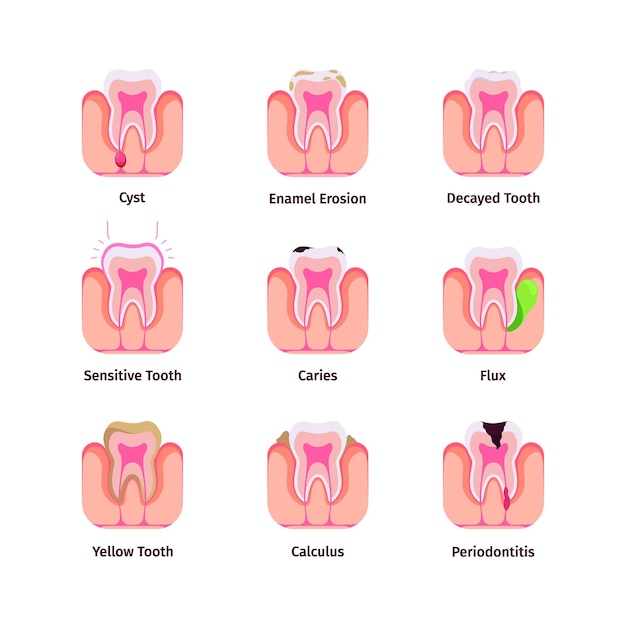
types of cavities

Although at an informal level they are not usually differentiated, the reality is that there are different types of cavities that can appear in your teeth.

  • Crown caries.
  • Fissure caries.
  • Caries radicular.
  • Caries interdental.
  • Recurrent cavities.

Would you like to know a little more about them?

Crown caries

Crown caries

This is the most common, especially among children. Most commonly, crown cavities appear on the chewing surface of dental teeth. That is, at the top of the crown. To detect it, it is enough to observe if there is discoloration in the tooth, after the damage that the enamel has suffered.

fissure caries

fissure caries

In this type of cavities, damage is generated in the grooves of the teeth. Fissure cavities will be mainly in the first molars and are very common in children and adolescents.

Caries radicular

Caries radicular

Over time, periodontal disease and aggressive brushing can cause gum recession. In this way, the root of the tooth is exposed and can be directly attacked by bacterial plaque.

Root caries is one of the main causes of tooth loss.

Caries interdental

Caries interdental

This is one of the most difficult to detect. In fact, only the dentist with his reviews can find it. Interdental caries occurs in the area between two teeth, where access for brushing is much more complicated. In this area, the accumulation of bacterial plaque can progress, form tartar and, in the end, generate this pathology.

Recurrent cavities

Recurrent cavities

They are known as the type of secondary cavities. The reason? They are those that affect adjacent areas in which a filling has previously been performed or a crown has been placed to treat a cavity.

The tendency in these areas is to accumulate bacterial plaque, which can generate both a new cavity and a remnant of the previous one.

Treatments for Cavities

Depending on the types of dental cavities and how they have affected the tissues, the dentist will decide the most appropriate treatment. The most common thing is that the choice is a filling, which is what we popularly know as a filling. Thanks to this, the injury caused by caries is slowed down and inflammation of the nerve is avoided.

As you can imagine, if treatment is not carried out in time, cavities will destroy the tooth tissue and inflame the nerve. If this happens, we must resort to a root canal to avoid losing our tooth.

How can you prevent all types of cavities?

As our grandmother said, prevention is better than cure. The first option to combat cavities is to maintain adequate oral hygiene :

  • Brush your teeth after every meal to remove debris and plaque.
  • Floss at least once a day.
  • Use mouthwash when you wake up and before going to sleep to prevent its formation.
  • Go to the dentist for periodic check-ups and to know the condition of your mouth.
  • Reduce the amount of sugar in your diet and the chances of cavities will be reduced.

As we have told you throughout the entire article, the best way to avoid any type of cavities is prevention.

If you want to make sure that your mouth is healthy and that you don’t have to fear anything, book an appointment with Chagger Dental so that we can carry out a complete review of your oral health.

The post How many types of cavities are there? appeared first on Chagger Dental.

from Chagger Dental https://www.chaggerdental.com/blog/types-of-cavities/
via https://www.chaggerdental.com/
Invisalign Before and After

Do you know the most revolutionary invisible dental appliance on the market? Invisalign treatment consists of the placement of transparent dental appliances that progressively correct the positioning and alignment of the teeth. The Invisalign before and after is surprising.

If you have always dreamed of an invisible orthodontic appliance, Invisalign is for you. We are going to see below, showing you real cases, what Invisalign consists of and the care that must be taken into account so that the results are satisfactory and long-lasting. Let’s go there!

What is Invisalign and why choose it?

The invisible teeth appliance or Invisalign consists of the placement of transparent splints, made to measure and after an exhaustive study of the patient’s teeth, which are responsible for rectifying the position of the teeth little by little.

It is truly an innovative and revolutionary treatment that allows for a much more aesthetic orthodontic treatment, thanks to the invisible appliance.

Invisible orthodontics: before and after

At some point you may have been tempted to Google Invisalign reviews so we want to make it easier for you. Since a picture is worth a thousand words, below we are going to show you real cases of patients treated with Invisalign braces:

Invisalign Before and After

Advantages of invisible orthodontics

In case you still have doubts, we will tell you the main advantages that Invisalign treatment offers compared to other orthodontic treatments:

  • It is a very aesthetic treatment with which you will barely notice that you are wearing a dental appliance. Therefore, the smile maintains a more natural appearance.
  • The transparent dental braces are removable so they will not bother you when eating or brushing your teeth. In addition, they promote oral hygiene that is easier to maintain.
  • It is ideal for patients who are demanding with their aesthetics or who are allergic to the components of other types of orthodontics, such as, for example, metal braces.
  • It reduces the number of consultations at the dental center since it does not cause additional problems such as, for example, friction on the tongue or oral mucosa caused by braces.
  • It is possible to combine it with other dental treatments such as, for example, teeth whitening.

How to take care of yourself during Invisalign invisible orthodontics?

The first and most important thing is to always take into account the deadlines established by the orthodontic specialist and comply with the guidelines indicated in the clinic.

For the treatment to be established correctly, it is important to wear the Invisalign appliances for about 22 hours a day. In addition, they must be removed to drink liquids (except water, in this case they can be kept on), eat any food or brush your teeth.

In fact, whenever the splints are removed, it is recommended that, before putting them back on, you brush and rinse your mouth to ensure that any remaining food that may remain is removed.

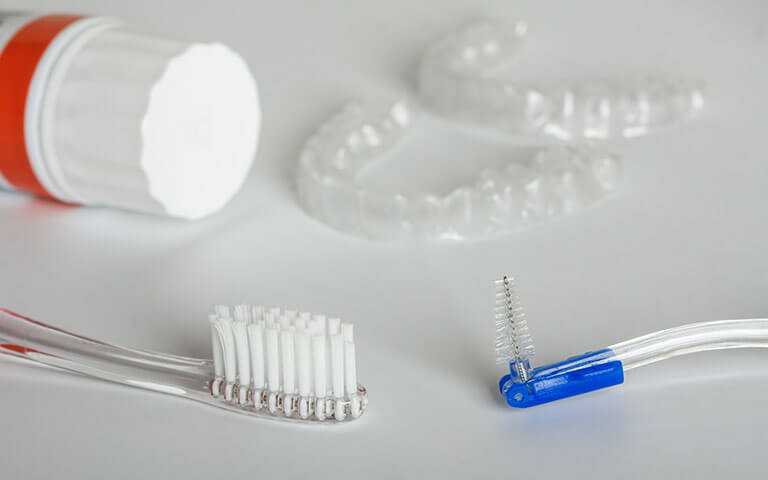
Once a day, and before putting on the devices, they must be cleaned with a soft toothbrush and neutral soap. Additionally, you can, once a week, disinfect them with a specific orthodontic product.

Lastly, always remember to store the invisible device in its own case, this way you will avoid possible falls, breaks or it ending up being the toy of the dog or child in the house.

Invisalign Before and After

Care after invisible orthodontics

Once the Invisalign treatment is completed, and as with other orthodontic treatments, it is important to carry out the retention phase. This prevents the teeth from seeking to return to their original position, and the results obtained during orthodontics are kept intact.

In the case of invisible orthodontics we have Invisalign retainers which, like dental appliances, are removable and 100% transparent. These retainers only have to be placed overnight, with the estimated time of this phase varying for each patient.

In addition to retainers, it is important to have at least an annual check-up at the Chagger Dental, maintain good oral health habits, and of course smile a lot to be able to show off beautiful, aligned teeth 🙂.

The post Invisalign Before and After appeared first on Chagger Dental.

from Chagger Dental https://www.chaggerdental.com/blog/invisalign-before-and-after/
via https://www.chaggerdental.com/
The Importance of Regular Walk in Dentist

Are your teeth and mouth healthy because you take care of them daily? This should not excuse you from going to the dentist! An annual walk in dentist is the fact recommended, to detect and treat certain infections and oral problems in time 1. A habit that the French still have difficulty getting into. Only 52% of them consult their dentist at least once a year 2.

WHY WALK IN DENTIST REGULARLY?

WHY WALK IN DENTIST REGULARLY

Dental plaque, which is deposited on the surface of the teeth, is composed of salivary proteins, bacteria, complex sugars and acids. Brushing, flossing and daily mouthwash can limit its deposition. But if oral hygiene is not diligent, dental plaque sets in and thickens over the long term. With the accumulation of mineral products contained in saliva, it will transform into tartar.

When tartar has formed, nothing can dislodge it except the dentist’s tools. Tartar is one of the factors responsible for gingivitis and tooth discoloration. It is therefore strongly recommended to walk in dentist regularly.

A REGULAR VISIT

DENTIST REGULARLY

The role of the dentist is to prevent and cure. He will first read:

  • characteristics of your mouth;
  • your eating habits;
  • possible medication.

The objective? Advise you on good habits to adopt for your mouth and help you adopt the right actions on a daily basis. He will be able to remind you of brushing technique, advise you on daily mouthwashes, etc.

Make an appointment with your dentist every 12 months. Note that walk in dentist are strongly recommended for young children.

DESCALE TO PRESERVE

The dentist will be able to take advantage of your visit to offer you scaling in order to prevent the appearance of gingivitis. Scaling consists of removing tartar plaque by scraping or using an ultrasound device and then polishing the cleaned surfaces to restore shine to the teeth.

CARE TO CALM

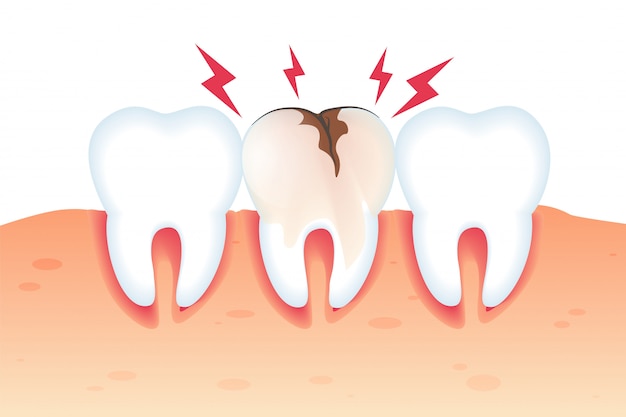
Dental care calms and prevents cavities from getting worse. The carious process does not stop without action from the dentist. The earlier cavities are discovered and treated, the longer you will keep your teeth healthy.

The post The Importance of Regular Walk in Dentist appeared first on Chagger Dental.

from Chagger Dental https://www.chaggerdental.com/blog/walk-in-dentist/
via https://www.chaggerdental.com/
What does peg tooth mean? and its possible treatment

First, let’s understand: What is a peg tooth?

What is a peg tooth

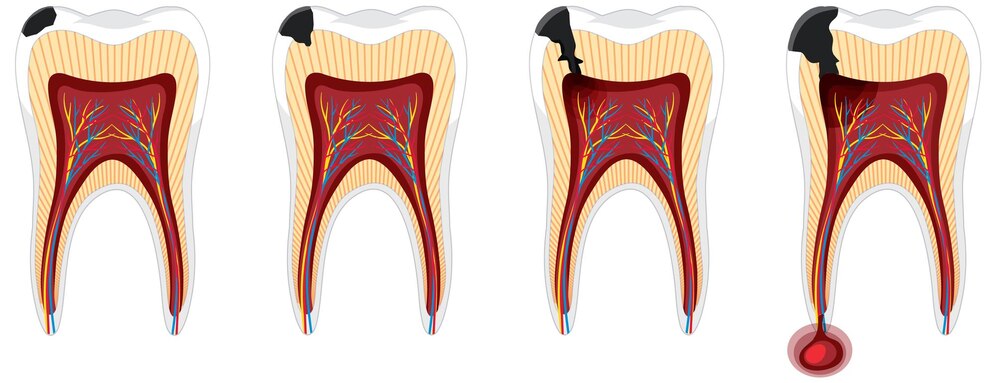
peg tooth is a tooth that has an altered shape and reduced size compared to normal teeth.

The alteration in tooth size is known as microdontia and generally occurs in the upper lateral incisors, called peg incisors, peg lateral teeth, or conical or conoid upper lateral incisors.

This alteration in the teeth is not very common, approximately between 0.6 and 9.9% of people suffer from this dental condition and although it is not a serious alteration, aesthetically it does not look very good, which may have other implications for the person who suffers from it.

Some causes of peg teeth

Some causes of peg teeth

It is believed that some of the causes of peg tooth could be due to genetic factors responsible for the formation of peg teeth.

It is also believed, according to current scientific research, that the appearance of conical or peg teeth is due to evolution, in which case, before disappearing, they decrease in size and become conical.

Solution to fix a cleft tooth

To fix peg teeth or give the tooth a normal tooth shape, there are some solutions such as those explained below:

Solution to fix a cleft tooth

Veneers

To hide the imperfection of a pin tooth, it is recommended to place veneers made of porcelain, composite or other materials that are placed on the front face of the tooth to give the tooth the required shape and size.

This solution is painless, quick and gives very good results.

Covers

To resolve the alteration in the shape and size of the teeth, improve aesthetics and also protect the teeth, covers are used.

The covers are thicker than a veneer and cover the entire tooth, they are more durable and resistant than veneers.

To know which of the smile design solutions is best for your specific case, the dentist is the one who must determine it depending on each case.

It is also possible that the solution to your specific case requires another type of treatment such as an extraction and then a crown or similar, but this will be determined in an assessment appointment.

After performing any of these treatments, you will be able to take some great  before and after photos of your clevis teeth and show off your new smile with complete confidence.

We hope that with this article, you have cleared up many doubts about peg tooth , causes and possible treatments.

The post What does peg tooth mean? and its possible treatment appeared first on Chagger Dental.

from Chagger Dental https://www.chaggerdental.com/blog/peg-tooth-mean-and-its-possible-treatment/
via https://www.chaggerdental.com/
Dental hygienist vs Dentist (meaning, roles, simulation and differences)

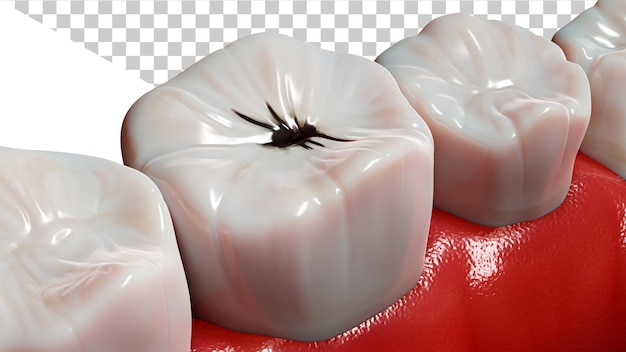
Often when you visit a Dental Clinic, the first person you meet is the dental hygienist. Just as there are doctors and nurses in hospitals, there are dentists and dental hygienists in dental clinics/offices.

Understanding the roles each of the two medical professionals play can help you be more relaxed on your next visit.

Dental hygienist vs Dentist

Who is a Dental Hygienist?

Dental Hygienist

A dental hygienist is an oral health professional behind the prevention and treatment of oral diseases. Dental hygienists do a lot of work on their own, with only the general supervision of a licensed dentist.

However, their work frees the dentist from a large amount of work, allowing him to concentrate on more complex operations.

As a result, it is extremely common for dental hygienists to perform a variety of preventive dental procedures in a dental clinic, such as teeth cleaning, oral disease screening, and other preventative dental care.

They also instruct patients on various methods they could use to improve and maintain good oral health. Cleaning, scaling, root planting, and sealants are among the procedures in which dental hygienists are experts.

Although dental hygienists are largely different from nurses, one can think of them as alternatives to dental nurses when compared to oral health professionals in other medical fields.

Like registered nurses, dental hygienists must write panel exams and have in-depth knowledge of human anatomy, physiology, pharmacology, and pathology. Additionally, they are officially called Registered Dental Hygienists (RDH).

Dental hygienist vs dentist

Who is a dentist?

dentist

A dentist is a doctor who works in the field of dentistry. The job involves treating infections or diseases in the mouth, teeth, gums and other related areas.

Research suggests that diseases associated with the teeth and gums may be signs of other health problems. Additionally, the health of your mouth is vital to the health of your entire body.

A dentist’s job is to motivate and help patients maintain a healthy mouth through frequent cleanings and checkups. A dentist may also be called a Doctor of Dental Surgery (DDS).

Dental hygienist vs dentist: Similarities

Regardless of the many differences between the training and duties of dental hygienists and dentists, both professions require special examinations to provide services important to the patient’s well-being.

Like hygienists, dentists must possess a license to practice.

Dental hygienist vs dentist: Differences

Study duration:

When it comes to determining the distinction between a dentist and a dental hygienist, one takes at least eight years of study (4 years at the undergraduate level, another 4 in dental school, and a few additional years if desired to specialize). , while the other takes between two and four years.

Roles and Specialization

A dental hygienist may choose to work in the practice of a Periodontist. Ultimately, this does not make you a periodontal hygienist.

Few dentists obtain additional education after dental school that allows them to specialize and care for selected conditions in patients.

A periodontist, who focuses on treating diseased gums and other gum-related problems, is a type of dental specialist.

What does a dental hygienist do?

A dental hygienist is available to provide preventive care and help you avoid further problems. Dental hygienists use X-ray machines to scan the teeth and gums, rinse the patient’s mouth with fluoride, and apply sealants to the teeth to prevent cavities.

The hygienist provides advice on how to care for your teeth, tips on how to brush and floss your teeth correctly, and foods to avoid or eat for a healthy mouth.

The job requires independence, seeing patients for preventive care, and providing insights on issues such as oral hygiene, nutrition, and detecting obvious signs of oral cancer or periodontitis.

However, dental hygienists are supervised and directed by dentists. They can examine their patients and advise them, as long as they visit a dentist for an oral examination at least once a year.

Duties and Responsibilities of a Licensed Dental Hygienist:

Licensed dental hygienists clean a patient’s teeth during a routine exam by brushing and removing layers and stains. Additionally, they polish teeth and note dental conditions.

After performing examination procedures, they perform preventative dental hygiene care, monitor blood pressure, and review your medical history.

They also guide the patient on correct home dental care. Ultimately, a dental hygienist supports the dentist with procedures such as tooth extraction.

At the same time, every time the hygienist detects a potential problem, he delivers the data generated to the dentist.

What does a dentist do?

A dental hygienist notices a problem in a patient’s mouth and calls a dentist or periodontist because he or she cannot diagnose the problem that concerns him or her.

This task is performed only by the dentist, who then provides a remedy and guides the patient to achieve their oral health goals.

Dentists are capable of performing all the activities that a dental hygienist can perform and even more.

However, assuming a dental hygienist performs an X-ray scan and notices that something looks strange, the dentist is the only one who officially identifies the condition and tells the patient the next step to take.

Roles and responsibilities of a dentist:

Dentists run the health center and perform treatments such as fillings, root canals, sedation administration, gum extraction and surgery.

They examine a patient’s data, which the dental hygienist collected beforehand. Additionally, they distinguish between dental diseases and chewing problems.

Finally, they make referrals to professionals, including oral surgeons and orthodontists, whenever required.

When a patient requests an enamel correction or extraction, they must visit a dentist. No other dentist is legally authorized to treat or reconstruct physical damage to a tooth.

Dental hygienist vs dentist: Career path

Like clinical doctors, a dentist has a minimum of 8 years of schooling before becoming a doctor. Not hygienists. To aspire to be a dental hygienist, you must choose between an Associate’s or Bachelor’s degree in dental hygiene.

Even with an associate degree, you may have about 1-2 years of prerequisites to complete (which is equivalent to what nurses require, such as A&P, Microbiology, Chemistry, etc.).

As soon as one is done with the aforementioned, they spend two more years in hygiene school. In addition, they care for patients and master topics such as pharmacology, dental materials, oral pathology, etc.

After college, each dental hygienist must write a national panel exam (which requires 6 to 8 hours to complete) and a state medical panel exam, where they are evaluated by expert hygienists.

Other states have introduced licensing exams, including nitrous oxide monitoring (laugh-out-loud gas), nearby anesthesia dispensers, regulations/law requirements, etc.

Dental hygienist training requirements:

Both associate degrees (two years) and Bachelor’s degrees (four years) prepare students to take the exam and become qualified dental hygienists.

Most importantly, the system in which one participates must be approved by the Commission on Dental Accreditation.

Additionally, after completing a diploma program, an aspiring hygienist must pass another exam to gain approval to practice within their state.

A certified hygienist can now add the initials “RDH” after their name, which stands for registered dental hygienist.

Dentist Training Requirements:

On the other hand, dentists require a few additional years of education before legally practising as a dentist. Attending dental school is a must for all aspiring dentists.

To be eligible for dental school, aspiring student will need to handle many science courses at each stage of their undergraduate levels. If someone aspires to be a well-known dentist, she must obtain a degree in dentistry.

Dentists who wish to specialize will need to complete a few additional years of mentoring, usually as a residency program. Depending on the speciality, a residency program can last up to two or four years.

Dentists must also acquire a license from their state in order to work. Additionally, dental specialists must also obtain a license in their respective specialities.

In conclusion

Dentists are typical doctors who have more educational qualifications and experience than dental hygienists. They usually tend to be in school for a long time because their responsibilities are many.

As the program duration is long for dentists, so is their salary. When considering the salaries earned by the two professions, becoming a dentist is a better option.

Incredible; I hope this article answers your question.

The post Dental hygienist vs Dentist (meaning, roles, simulation and differences) appeared first on Chagger Dental.

from Chagger Dental https://www.chaggerdental.com/blog/dental-hygienist-vs-dentist/
via https://www.chaggerdental.com/
Do you know exactly the difference between a dentist, hygienist and dental assistant?

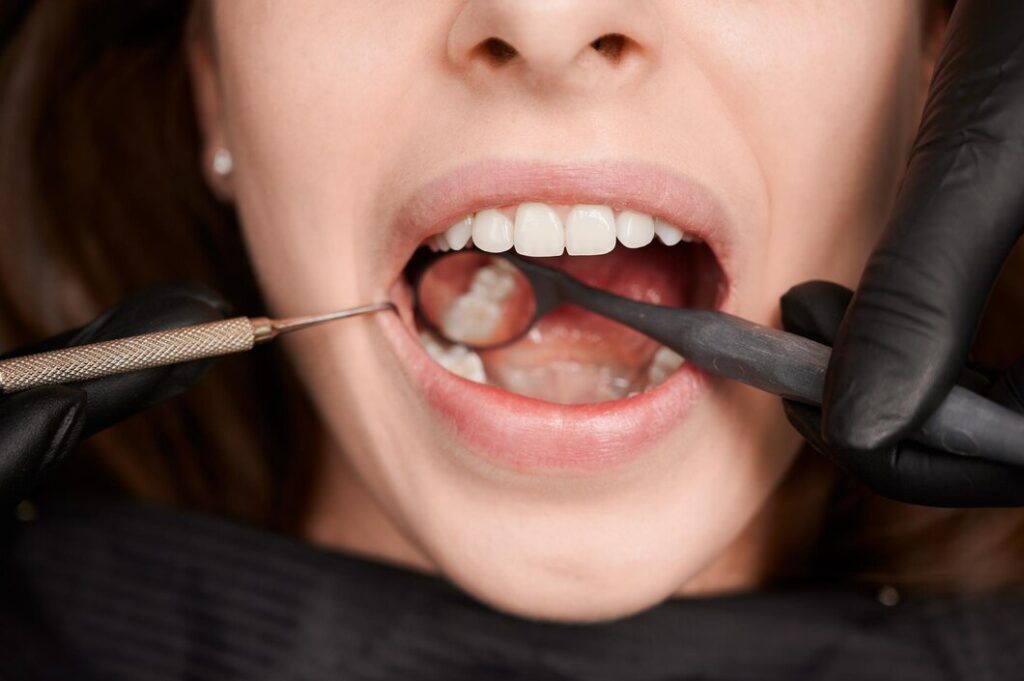
For some people, this is something that can cause confusion but they are completely different things although in some way the three are related. For no reason should it be thought that they are the same or that the difference is simply a matter of training stages or organizational hierarchies at work within a dental office or clinic.

And what are the basic differences between the three occupations?

The dentist completes a university degree, which takes approximately four years or more.

Dental hygienist studies take approximately two years, and although some subjects are also taken by the dentist, it cannot be said that they are the same.

The dental assistant, as the name of the position indicates, assists the dentist in his work, and prepares the required instruments and devices as well as the patient to receive the treatments that the doctor indicates but never performs directly.

Dentist

Dentist

Who we commonly know as a dentist should be called a dentist, which is the correct and well-deserved name of someone who successfully completed a university degree in dentistry. And once he has obtained this degree, there are specialities such as:

  • It refers to the different treatments and procedures performed on the root canals of the teeth, whose correct name is dental organs. This type of procedure is required when there are dental injuries that affect not only the tooth enamel but also reach a greater depth, causing internal deterioration of the tooth, which, if not treated properly, can cause irreparable loss.
  • Prosthodontics or oral rehabilitation. It is responsible for restoring all of its functions to the oral cavity, and not only those related to chewing but also with regard to:
    • Phonetics
    • Esthetic
    • Anatomy
    • Others
  • Implantology. It refers to the study and solution of problems due to missing teeth. The use of implants is not the same as wearing a prosthesis, since the implant is a piece that is fixed to the bone using bolts and screws made of special materials such as titanium, so they are definitive solutions. It is a speciality that maintains tireless research to be able to offer increasingly better procedures, techniques and materials so that there is no rejection or deterioration, neither in the implants nor in the patient’s body.
  • This speciality is directly responsible for studying, preventing and diagnosing any anomaly regarding dental and maxillofacial structures through the use of different devices that apply and regulate force or pressure to correct the different problems that may arise.
  • It is a medical-surgical speciality for the prevention, diagnosis and treatment of diseases of all those tissues that are in some way related to the teeth, providing them with support. This is the case for gums, periodontal ligaments, alveolar bones, root cements, etc., both in natural teeth and in the case of implants. It is also known as periodontology.
  • Pediatric dentistry. It is the dental branch that focuses on treating oral problems in children.
  • Geriatric Dentistry. It is dedicated to the care of geriatric patients (older adults).
  • Cosmetic or aesthetic dentistry. This speciality tries to care for and correct oral health focused on the image of the teeth.
  • Preventive dentistry.
  • Forensic odontology. It is a speciality that is gaining greater importance day by day since it does not only refer to the identification of a body through its dental records but also has very diverse applications regarding the solution of different cases. Through this speciality, it is possible to identify not only the victim but very often also the perpetrator, detect cases of abuse of various types, determine age, etc.
  • Stomatological public health. This speciality is of great importance since it is responsible for research, planning, prevention and analysis of oral health at the community level. Therefore, it has a great focus when it comes to care policies and models, health campaigns, etc.

To practice any of these specialities, as we have already mentioned before, it is necessary to complete a university degree in dentistry and subsequently specialize by completing the corresponding studies.

Dental hygienist

Dental hygienist

It is also known as a Senior Oral Hygiene Technician. This means that this is a person with higher technical level studies, which qualifies him or her to perform some work directly in the patient’s mouth, all of which is completely reversible. This means that although his preparation does not enable him to do everything that a dentist does, he can perform care tasks and intervene in the following procedures and/or activities:

  • dental and root cleanings
  • Ultrasound cleanings
  • curettage
  • Application of topical anaesthesia
  • Fluoride application
  • Application of teeth whitening or stain removal treatments.
  • Assistance and/or collaboration in dental surgeries.
  • Care functions with orthodontic specialists. They can place braces, and make changes to ligatures and others, but always by indication and/or supervision of the specialist.
  • X-rays. Taking, developing and interpreting plates.
  • Guidance on education and dental hygiene.
  • Application of dental sealants.
  • Some administrative functions, epidemiological studies and others.

In some countries, there are specific rules and regulations that cover in detail the specific functions of the dental hygienist.

An oral hygienist takes subjects such as health education, nutrition, pharmacology, anatomy, microbiology, biostatistics, health documentation and some others. The degree takes approximately two years and a certification is required to occupy the position.

Dental assistant

Dental assistant

The dental assistant job description may vary depending on the doctor and/or clinic in question. Their duties range from only assisting the doctor when caring for patients and may also include reception, filing, maintenance of material and instruments, and patient preparation. Do not intervene directly in the procedures.

Dental assistant studies last approximately one year.

As you can see, these are very different things, so it is possible that when you go to the dental clinic you will find that there are reception staff, hygienists, assistants and specialist doctors, all working in close collaboration but with totally different and well-defined occupations.

The post Do you know exactly the difference between a dentist, hygienist and dental assistant? appeared first on Chagger Dental.

from Chagger Dental https://www.chaggerdental.com/blog/dentist-hygienist-and-dental-assistant/
via https://www.chaggerdental.com/
Can teeth move again after orthodontics?

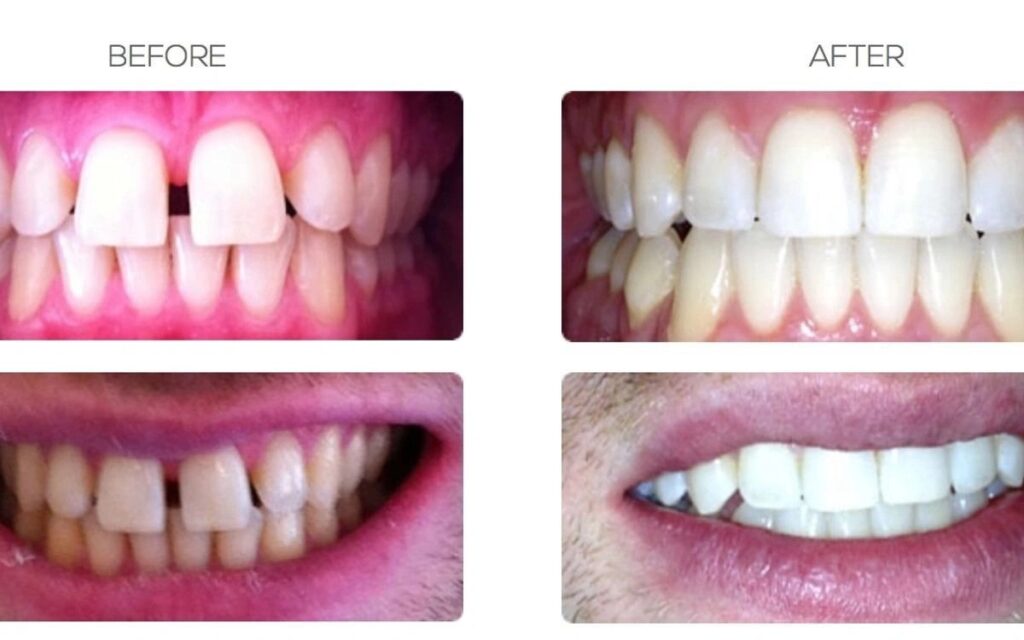
Crowding, diastemas (interdental separations), open bite, displaced midline… Oral imperfections are one of the conditions that we treat the most in our Family Dental Clinic in Ontario through orthodontics.

Although a few years ago wearing a device was more linked to adolescents, the truth is that today the percentage of adults who undergo this treatment is increasing .

Thanks to the results it offers, it is an excellent solution, both aesthetic and functional. But is it true that teeth can move again after orthodontics? Discover the answer in this post!

Features of orthodontics

orthodontics

Orthodontics is a specialty of dentistry that is responsible for correcting occlusion and dental position problems through different techniques. We can divide these treatments into two large groups:

  • Brackets: this is what we know as conventional orthodontics, the traditional one. It consists of small pieces, which can be metal or made of more aesthetic materials, that are placed on the outside of the teeth. In turn, they are joined together by an element called an arch, which generates the necessary pressure on the teeth to carry out the desired movements.
  • Transparent aligners: known as invisible orthodontics, transparent aligners are very comfortable, since they are custom made from a very fine thermoplastic material that does not cause friction. They can be removed and put on, so that they can be removed to eat without any type of food restriction, as well as to brush your teeth, ensuring perfect oral hygiene. Furthermore, it is a treatment that incorporates the latest technology, allowing you to view the results before starting the treatment.

So… Can teeth move again?

The answer is yes . Teeth have memory. By this, what we mean is that they tend to return to their initial position. If you are thinking: then why do I get orthodontics? We tell you that it is possible to prevent this from happening. As? Through retention.

How to prevent teeth from returning to their initial position?

Retention is another step of orthodontics. Specifically, it is the last phase of the treatment. Its mission is to maintain the results achieved over time and prevent the teeth from moving again.

For this, there are two types of retainers:

  • Fixed retainer : this is a very thin wire that is cemented to the inside of the teeth, from canine to canine. It is very comfortable, nothing is noticeable nor does anyone appreciate that you are wearing it.
  • Removable retainer : It consists of a transparent, custom-made splint that is generally placed during sleeping hours. However, the wear time will be adjusted by your orthodontist.

In any case, you can resolve any questions in our consultation. Remember that at Chagger Dental Clinic we have a team of orthodontists who will help you with everything you need.

Also, don’t forget that we have different financing plans tailored to you so that you can have the treatment you want or need without having to worry about your finances.

To learn more details about our center, do not hesitate to Contact US or go to our Family Dental Clinic in Ontario.

We will be happy to assist you and help you with everything you need! Don’t forget to participate through your comment and request your first free consultation.

We will wait for you!

The post Can teeth move again after orthodontics? appeared first on Chagger Dental.

from Chagger Dental https://www.chaggerdental.com/blog/teeth-move-again-after-orthodontics/
via https://www.chaggerdental.com/
Design a site like this with WordPress.com
Get started