What are the Roles of a Dental Hygienist?

We really wanted to do this article. And we have realized that the majority of patients do not know what the roles of a dental hygienist are, and you will see that there are not few of them and how important they are for a dental clinic. This post is dedicated to all our hygienists.-) Thank you girls!

What is a dental hygienist?

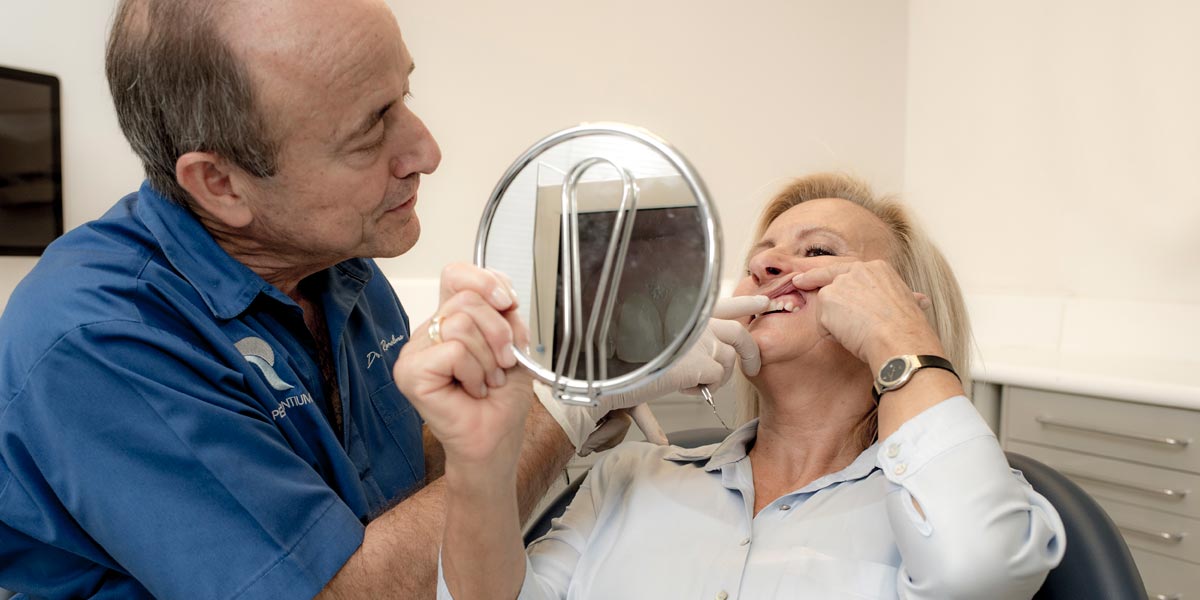
A dental hygienist is an oral health professional who works alongside a dentist to help maintain patients’ dental health. They are dental professionals who are in charge of the patient’s oral health, as well as dental hygiene treatments that prevent diseases of the teeth and gums.

Hygienists must have a two-year higher professional training degree in Higher Technician in Oral Hygiene. This enables them to carry out professional oral cleaning and disinfection treatments. They are also responsible for helping the dentist in the diagnosis of gingival diseases, assessing the severity of the problem and its possible solutions.

Main functions of the dental hygienist

Our hygienists are trained, highly trained and have a lot of experience to be able to perform top-level dental hygiene and periodontal curettage, which are “in-depth” cleanings to eliminate the tartar found under the gum. But going into more detail, among other main functions performed by a dental hygienist at Chagger Dental Clinic, the following also stand out:

– Control and prevent oral diseases.
– Give dental hygiene instructions to patients.
– Assistance and coordination along with the dentist in carrying out oral treatments.
– Documentation of patient clinical data.
– Perform fluoridation.
– Disinfection and sterilization of instruments.
– Cleaning and disinfection of work spaces.
– Recommend more appropriate dental health habits, adapted to the needs of each patient.
– Perform certain periodontal treatments.

dental hygienist

Ohhh! Look at the many very important tasks they perform for the proper functioning of a dental clinic. In addition, dental hygienists do a great job of educating us on hygiene habits and oral practices to promote good dental health for our patients. For Chagger Dental Clinic they are a key piece and we would not know what to do without them.

If you want to know more information about dental hygienist and its possible solutions, do not hesitate to visit our website and request a personalized appointment. The Chagger Dental Clinic, trusted dentists in Ontario, has the best trusted professionals and we will be happy to welcome you and help you as much as possible.

If you need to contact the Dental Clinic in Ontario you should contact with us, also you can choose your location and come to our clinic for your dental checkup. We are waiting!

The post What are the Roles of a Dental Hygienist? appeared first on Chagger Dental.

from Chagger Dental https://www.chaggerdental.com/blog/what-are-the-roles-of-a-dental-hygienist/
via https://www.chaggerdental.com/

What is Aesthetic Orthodontics and what are its benefits?

Aesthetic orthodontics is a branch of dentistry that is responsible for correcting problems with the position, shape and function of the teeth and dental arches, using devices that go unnoticed by the eye. In this article we are going to explain everything you need to know about aesthetic orthodontics and its benefits for your health and self-esteem.

Are you looking for a way to improve the health and appearance of your teeth? In today’s world, appearance and dental aesthetics play a fundamental role in our daily lives. We all want to show off a radiant, well-aligned smile that gives us confidence and makes us feel secure in ourselves.

This is where aesthetic orthodontics comes into play as an excellent option for the health of our teeth. This innovative treatment allows teeth to be moved in a way that not only improves their function, but also enhances their aesthetic appeal. For both children and adults, this orthodontics offers various advantages to those seeking a healthier and more beautiful smile.

In this article, we will thoroughly explore the benefits and advantages of choosing this orthodontics as an effective alternative to improve dental alignment and the aesthetics of our smile.

Before continuing, if you want to improve your dental health, we invite you to visit the different services that we have prepared for you that will surely improve your quality of life.

At Chagger Dental Clinic in Ontario we have specialists in dental aesthetics and dentistry with experience and knowledge of the latest advances in dental technology. At Chagger Dental Clinics you will find a wide variety of services aimed at improving your dental health from aesthetics, teeth whitening and pediatric dentistry.

Do not hesitate to contact us for more information.
Aesthetic Orthodontics

What is aesthetic orthodontics?

Achieving an impressive and healthy smile is possible through dental treatment focused on straightening teeth while taking facial aesthetics into account. The popularity of cosmetic orthodontics is skyrocketing, not only among adults, but also among children who want to improve the appearance of their teeth. This approach is a great way to not only improve a patient’s confidence, but also their long-term oral health.

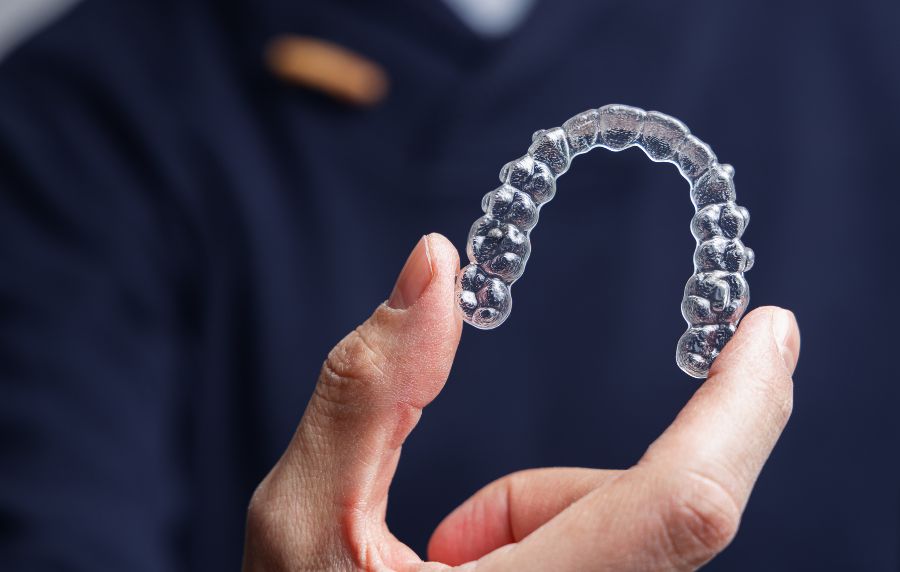
There are many options available for those seeking this type of orthodontics, from clear braces to lingual braces. Each of these solutions has unique advantages, and the best choice depends on each person’s needs and preferences. The goal is to offer a comfortable and effective treatment that provides the desired results and, at the same time, is as discreet as possible. This type of orthodontics offers a fantastic opportunity to those who want to show off a beautiful and healthy smile.

Advantages of Aesthetic Orthodontics for adults

Adults can obtain many advantages from cosmetic orthodontics, in addition to improving their appearance. One of the biggest benefits is the realignment of teeth, which can help avoid problems such as difficulty cleaning between them and the development of cavities and gum disease. Additionally, well-placed teeth can improve speech and chewing ability, resulting in better overall health. This type of orthodontics can also make people feel more confident about their smile, giving them the security needed to be successful in their social and professional lives.

It is a great option for adults, giving them the opportunity to have a healthy, beautiful smile without the embarrassment of traditional braces. Thanks to the availability of transparent or virtually invisible orthodontics, adults can achieve the desired position of their teeth without anyone noticing. In short, it provides numerous benefits to adults, from improving their oral health to increasing their self-confidence.

Benefits of Aesthetic Orthodontics for children

Putting children through orthodontic treatment can be daunting, especially when considering aesthetics. To solve this problem, aesthetic orthodontics offers a series of advantages to children. Not only does it improve the alignment of your teeth, but it also increases your self-confidence and self-esteem.

Using clear or invisible aligners for treatment allows children to discreetly straighten their teeth and maintain a sense of security during a vulnerable period of their life. Additionally, orthodontic treatment can help prevent other oral problems such as gum disease and cavities, which are essential for safeguarding children’s dental health.

The main benefit for children is that it can be done at an early age. By recognizing and correcting problems before they become serious, early orthodontic treatment can reduce the need for major procedures later in life and help prevent tooth loss. Additionally, orthodontic treatment can correct bite problems that can cause speech impediments and other difficulties.

Addressing these problems early with cosmetic orthodontics can improve children’s oral health and overall quality of life. Ultimately, orthodontic treatment is a worthwhile investment in children’s well-being, offering a solution that meets both practical and visual needs.

Aesthetic Orthodontics

How can aesthetic orthodontics prevent dental health problems?

Straightening your teeth can provide numerous benefits to your dental health. Not only can it improve your appearance, but it can also help reduce your risk of cavities, gum disease, and other problems. By properly aligning your teeth and jaws, you will find it easier to maintain good oral hygiene. Additionally, this can help resolve any existing bite problems, which can lead to a more comfortable and functional bite.

Cosmetic orthodontics can also be beneficial in preventing future dental problems. By correcting misaligned teeth and bite problems early, you can reduce the chances of suffering more serious problems in the future. This can save you time and money since you won’t have to undergo more extensive treatments later.

Ultimately, it is a worthwhile investment for anyone who wants to improve their dental health and reduce the risk of developing future problems with their teeth. By straightening your teeth, you can benefit from a healthier, more attractive smile and greater comfort when eating and speaking.

What problems can arise with Aesthetic Orthodontics?

If you are looking to improve the alignment of your teeth, aesthetic orthodontics can be a great option. However, there are some drawbacks that you should be aware of before embarking on this treatment. Firstly, the cost associated with this type of orthodontics can be higher than that of traditional braces. Additionally, it may take patients a while to adapt to the devices, which may cause some discomfort or difficulty speaking.

Additionally, this type of orthodontic treatment requires a considerable level of dedication. Wearing the braces for the prescribed time each day, as well as keeping follow-up appointments, is essential to ensure progress. If these steps are not followed, the treatment could take longer than expected.

Finally, although invisible orthodontics can be a discreet alternative, it may not be suitable for all cases. If the misalignment or bite problem is too severe, more extensive treatments, such as traditional braces or even surgery, may be necessary. An orthodontist will be able to advise you on the best option for your individual needs.
Aesthetic Orthodontics

Invisible orthodontics as aesthetic orthodontic options

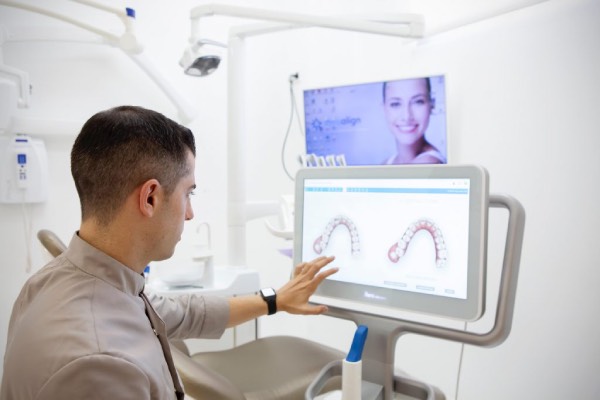
If you are looking for a discreet way to straighten your teeth, transparent and virtually undetectable braces are the perfect option. Unlike traditional metal braces, these alternatives have clear or tooth-colored brackets and wires that blend into your smile, making them much less noticeable. The discreet nature of these braces makes them a popular choice for teens and adults who feel self-conscious about wearing metal braces.

Plus, they still provide the same great benefits of traditional braces, such as correcting bite and jaw problems, without having to sacrifice aesthetics. The advantages of orthodontics and its benefits to the appearance of your smile should not be underestimated, and these invisible, transparent braces present a solution that is both practical and visually pleasing.

Another advantage of these subtle devices is that they can be used by patients of all ages, even those with bridges or implants. This means that those who thought they could not undergo orthodontic treatment due to pre-existing dental work can now undergo the procedure. Additionally, because these braces are nearly invisible, they can help patients who are anxious about the impact metal braces may have on their daily lives.

In short, these subtle braces offer incredible aesthetic possibilities to those who want to improve the health of their teeth while preserving their confidence and self-esteem. The orthodontic benefits of these options are evident, and should certainly be considered for anyone looking to straighten their teeth discreetly and successfully.

Aesthetic orthodontics offers excellent benefits for both adults and children when it comes to achieving well-aligned teeth. Not only does it improve the appearance of teeth and facial aesthetics, but it also helps prevent and remedy oral health problems such as gum diseases. Although there are certain compromises necessary for cosmetic orthodontic treatment, clear and invisible orthodontic options offer excellent aesthetic solutions for patients of any age. Overall, it is a valuable investment in the long-term health and appearance of your teeth. Don’t hesitate to schedule a free consultation to learn more about your options for achieving a beautiful, healthy smile.

At Chagger Dental, we are a dental clinic in Ontario, specialized in dental aesthetics and dentistry. To achieve quality service, we offer our clients professional and personalized treatment in order to obtain their full satisfaction.

The post What is Aesthetic Orthodontics and what are its benefits? appeared first on Chagger Dental.

from Chagger Dental https://www.chaggerdental.com/blog/aesthetic-orthodontics-benefits/
via https://www.chaggerdental.com/


Why is it important to go to the dentist for checkups?

Why is regular dental checkup important?

Do you need a regular check-up with your dentist? Today we answer this question! The reason many people ask this question is not because they don’t want to go to the dentist or don’t care about their oral health. It is usually due to the price of the treatments. However, check-ups with the dentist have many benefits.

What are the benefits of a regular dental checkup?

Below we explain the benefits of a routine visit to the dentist:

  • Helps prevent possible dental problems.
  • Gives you a bright white smile
  • Save money in the long term
  • Keeps dental problems at bay and saves your teeth
  • Protect your overall health

1. Helps prevent possible dental problems

Regular visits to the dentist play an important role in identifying underlying oral problems before they start or worsen.

2. Keep your smile beautiful

Everyone wants to have a perfect smile. After all, your smile is your way of telling the world that you not only take care of your oral health, but also your overall health. Cleaning your teeth, which is a fundamental part of a regular dental check-up. It will remove any stains on your teeth and help keep your smile sparkling white.

3. Save money in the long term

Regular dental checkups are relatively more affordable compared to treating dental diseases and paying for expensive dental procedures. Therefore, skipping regular dental checkups not only affects your oral health, but also has a significant financial impact.

4. Keep dental problems at bay and save your teeth

Gum disease and cavities are some of the main reasons why people lose their teeth. Gum disease often occurs due to inflammation of the gums and can damage the jaw and lead to tooth loss. Regular visits to the dentist can keep periodontal disease at bay.

5. Protect your overall health

Your oral health is the foundation of your overall health. Therefore, regular visits to the dentist improve your quality of life.

What are the consequences of poor oral health?

Many people are aware that not brushing their teeth can have serious consequences. You should visit your dentist regularly to make sure your mouth is healthy. Poor oral health is bad news. Many problems can arise from neglecting your oral health. They include:

  • Bad breath
  • Dental caries
  • Periodontal diseases
  • oral cancer

If you want to know more information about oral health and its possible solutions, do not hesitate to visit our website and request a personalized appointment. The Chagger Dental Clinic, trusted dentists in Ontario, has the best trusted professionals and we will be happy to welcome you and help you as much as possible.

If you need to contact the Dental Clinic in Ontario you should contact with us, also you can choose your location and come to our clinic for your dental checkup. We are waiting!

The post Why is it important to go to the dentist for checkups? appeared first on Chagger Dental.

from Chagger Dental https://www.chaggerdental.com/blog/why-is-it-important-to-go-to-the-dentist-for-checkups/
via https://www.chaggerdental.com/
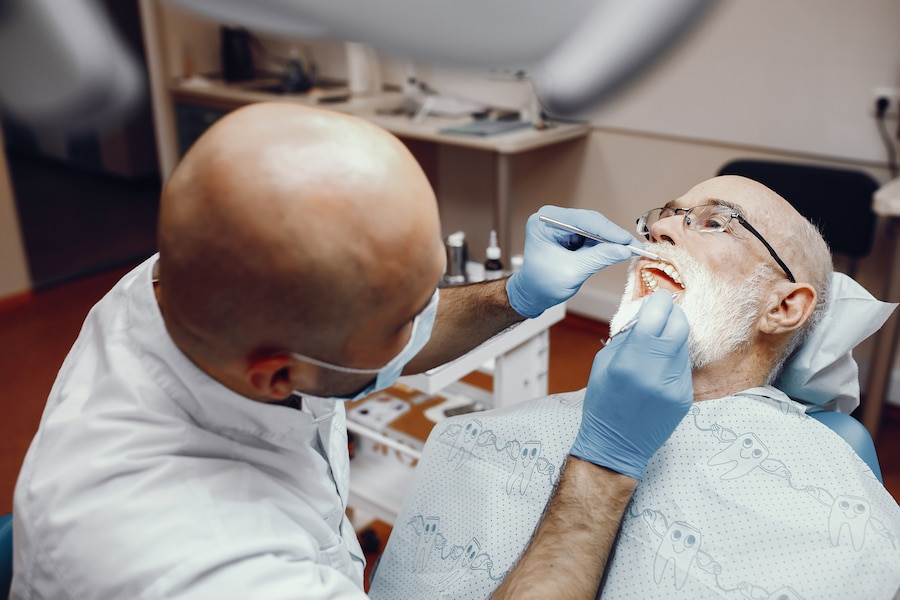
Dental implants, when to place them in orthodontic treatment

More and more adults are deciding to undergo orthodontic treatment not only to improve their dental aesthetics, but also to improve their oral health, which is why combining orthodontics with dental implants is becoming more and more common. But don’t worry, at Chagger Dental Clinic, we will tell you when it is advisable to use orthodontics if you already have dental implants.

What are dental implants?

They are artificial titanium roots specially designed to be installed in the maxillary or mandibular bones, in order to replace the root of the natural tooth that was lost. Therefore, without a doubt, dental implants become the fastest and most effective solution to recover chewing function and oral aesthetics.

Dental implants and orthodontic

Over the years, many adults have lost some teeth due to the appearance of cavities, periodontitis or other types of conditions. This implies that the remaining pieces tend to move towards these spaces. For this reason, many patients are forced to resort to dental implants .

Dental implants not only fill those gaps that have been left empty by the loss of teeth, they also help improve the bite and avoid chewing problems.

Dental implants and orthodontics

The combination of implants and orthodontics is the definitive solution to improve aesthetics and oral health. While dental implants allow spaces to be covered to prevent the displacement of the rest of the teeth, orthodontics allows the teeth to be aligned. The coordination between different dental specialties is known as multidisciplinary dental treatment.

implants and orthodontics

However, it must be remembered that these dental implants do not slide in the mouth, therefore, they will not be able to move in the future.

Taking this into account, you have to make sure what the placement of the dental implants will be . In this way, not only is it possible to have a good occlusion, but also to be able to rehabilitate the mouth by aligning the teeth correctly.

First orthodontics, then dental implants

In some cases it is necessary to first place temporary crowns, since these dental implants will help support orthodontics. This will depend on each case and our professionals will have to carry out an exhaustive study of the patient.

For this reason, at Chagger Dental Clinic we recommend performing the orthodontic treatment first and then placing the dental implants that are necessary, for three reasons:

  1. As we mentioned previously, while the teeth move, the implants remain fixed in their position, so it is advisable to place them after the orthodontic treatment since they will adapt perfectly to the remaining gap.
  2. The prostheses that are placed when there is dental malocclusion have an adapted dimension. However, the remaining gap before and after orthodontic treatment will not have the same dimensions, so placing dental implants before orthodontics would mean a higher cost and greater inconvenience for the patient.
  3. Only in some cases, our orthodontists will choose to close the excess spaces with auxiliary techniques, making the placement of dental implants unnecessary.

If you are wondering if orthodontics with implants can be used , the answer is yes, although our specialists must examine each case precisely to obtain successful solutions.

Phases of multidisciplinary dental treatment

To carry out multidisciplinary dental treatment from Chagger Dental Clinic, our specialists will work together to develop a personalized work plan that solves the patient’s problem.

1. Make a diagnosis

This is the most important step. Because, failure to make a correct diagnosis and planning can delay treatment and, consequently, improve results. Therefore, first of all, our specialists will evaluate the patient’s case and subsequently, our professionals will carry out joint planning.

2. Dental treatment

Secondly, dental treatments will be carried out such as cleaning the patient’s mouth or treating cavities. The patient’s oral health must be excellent to begin the treatment at hand.

3. Orthodontic treatment

The application of orthodontic treatment begins to solve dental malposition. This step may be the last if you need dental implants as orthodontic support.

4. Rehabilitation with dental implants

Once the orthodontic treatment is finished, the remaining gaps will be filled with dental implants that will allow the patient not only to have correct alignment. And also, avoid chewing problems.

Do you need orthodontic treatment or dental implant in Ontario? Come to our Chagger dental clinic! Our experts will carry out a study of your case to successfully combine orthodontics and dental implants .

The post Dental implants, when to place them in orthodontic treatment appeared first on Chagger Dental.

from Chagger Dental https://www.chaggerdental.com/blog/dental-implants-and-orthodontic/
via https://www.chaggerdental.com/
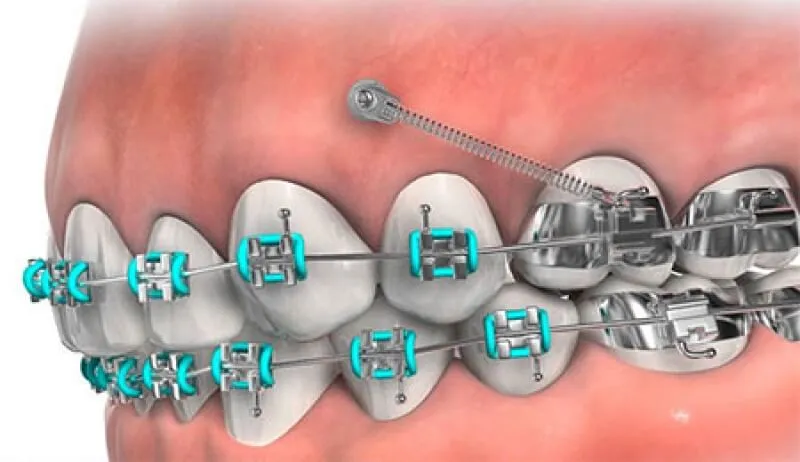
How long does it take for a dental implant to heal?

If you are thinking about improving your oral health or aesthetics and need a dental implant, it is normal for you to have many doubts about what the surgery, the postoperative period or the healing time of a dental implant will be like. In this article we are going to talk about one of the issues that most concern patients and that is knowing how long a dental implant takes to heal.

To do this, it will be necessary for the gum to have healed completely and a lot will depend on the types of dental implants used in the intervention and, above all, on each patient. Therefore, from our dental clinic we tell you everything you need to know about the healing time of a dental implant.

Healing time in traditional surgery.

The healing time of a dental implant is something that is quite worrying. People who come to our dental clinic come with different conditions, some come with a gap, due to the lack of a tooth, but sometimes it is necessary to perform an extraction, in this case, the first step to begin with the placement of the teeth. Dental implants consist of the extraction of the tooth in question. Once this is done, in most cases, you will have to wait between 3 and 4 months until the gum surrounding the tooth matures.

Once this time has passed, the wound will have healed and that is when the dentist will proceed to place the titanium screw in the bone. In this phase, the only thing that will be seen will be a small metal plate flush with the gum that can be hidden by a temporary cover. Thanks to this, the patient will not see their dental aesthetics affected and will be able to eat normally.

Once the dental implant is placed, the healing time for a dental implant is usually another three months until the area has completely healed. Therefore, the patient must go to the clinic again and the specialist will check that everything is correct and will proceed to place the final dental crown.

Healing after an immediate loading implant.

Technological advances in dentistry allow us to use new techniques in dental clinics, such as immediate loading dental implants.

Immediate loading implants have a great advantage over those placed with traditional surgery and that is that waiting times are greatly reduced, since on the same day the specialist extracts the piece and places the prosthesis together with the provisional crown. subjecting the patient to only one surgery, so the area only has to heal once.

This technique is not indicated for all patients, since they must meet a series of requirements to ensure its effectiveness. For example:

  • Have a sufficient amount of bone to guarantee the support of the implant.
  • Have healthy gums and teeth.
  • Maintain correct oral hygiene after the operation.
  • Do not suffer bruxism.

Healing in guided surgery.

This type of complementary procedure is carried out together with immediate loading, that is, the implantology’s will be able to place the dental implants with more precision and efficiency without having to give stitches.

With guided surgery, the healing processes in dental implants are significantly reduced, since it is not necessary to drill the gum, making the postoperative period more bearable.

dental implant

This technique is previously planned by computer and a virtual sample of the patient’s teeth is created, thus obtaining the implantologist a splint that will serve as a guide.

Variations in times depending on the patient.

The times to heal dental implants may be altered depending on the needs of the person, which is why it is important before confirming the times, to make an assessment of each patient.

Before starting the placement of implants, the dentist will assess that the patient’s mouth is in good condition and does not require any additional treatment. Because if so, it has to be solved as soon as possible.

Care after implant placement.

From Salvador García we are going to leave you a series of recommendations that you should put into practice if you have undergone a dental implant placement procedure. This will help you ensure that the postoperative period and healing are correct.

  • Maintain a post-dental implant healing diet, which will consist of eating soft foods during the first days after the intervention, avoiding chewing in the area where the dental implants have been placed.
  • Regarding mouthwashes, they should be used from the day after the intervention.
  • Tooth brushing is very important to avoid infections and keep the operated area clean, brushing it with a surgical brush.
  • Smoking is completely prohibited during recovery since the substances contained in tobacco can prevent the correct healing of dental implants.

If you need more information about how much a dental implant costs, our maxillofacial surgeons have the necessary experience to evaluate your case. In our Chagger Dental Clinic, we use different dental implant procedures, adjusting each patient to the one that best suits them due to their characteristics. Therefore, make an appointment and we will evaluate your case.

The post How long does it take for a dental implant to heal? appeared first on Chagger Dental.

from Chagger Dental https://www.chaggerdental.com/blog/how-long-does-it-take-for-a-dental-implant-to-heal/
via https://www.chaggerdental.com/
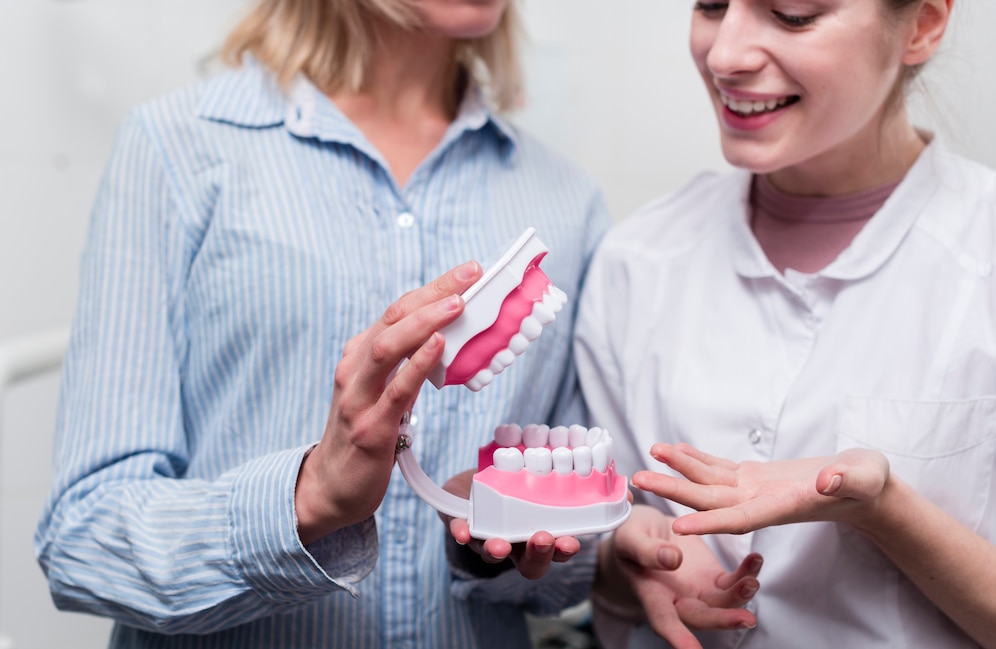
What is a Gingivoplasty and when is it necessary?

Gingivoplasty is a dental procedure performed to improve the aesthetics and appearance of the gums, achieving a more harmonious shape and size in relation to the teeth and facial contour.

This surgery is carried out for different reasons:

  • Correct aesthetic problems
  • Remove inflamed or excessive tissue
  • Prepare the area for other types of dental procedures

How is it the procedure

The gingivoplasty procedure is performed in a dental clinic and usually under local anesthesia.

The dentist specialized in periodontics will carry out a complete evaluation to plan the procedure before starting it. Specific tools, such as a laser or scalpel, will be used to shape the gums according to the patient’s needs.

Does it hurt to have a Gingivoplasty?

Gingivoplasty is a well  tolerated and painless procedure, due to the use of local anesthesia.

Patients may experience mild discomfort after gum surgery, but this can be relieved with pain relievers prescribed by the specialist.

If your pathology requires a gingivoplasty, don’t worry, at Chagger Dental Clinic we guarantee that it is a safe and effective procedure, and that by following the appropriate postoperative instructions you will achieve a quick and successful recovery.

Recovery

Recovery is usually quick. Swelling and tenderness of the gums may be experienced for a few days.

The specialist will provide instructions on post-operative care such as:

  • Avoid hard or hot foods
  • Maintain proper oral hygiene
  • Use recommended mouthwashes to accelerate healing

How do I know if I need a Gingivoplasty?

If you have swollen, hypertrophic or receding gums that affect the aesthetics of your smile or cause problems with your oral health, you could be a candidate for gingivoplasty.

At Chagger Dental Clinic we recommend that you schedule an appointment for a personalized evaluation and study.

How long does Gingivoplasty last?

The duration of the procedure depends on the amount of gingival tissue that needs to be modified.

Generally, the procedure can take between 30 minutes and an hour to complete.

Gingivoplasty is a dental procedure that can improve both the aesthetics and health of the gums.

If you are concerned about the appearance of your gums or experience periodontal problems, contact us at our Dental Clinic in Ontario, we can determine if a gingivoplasty is the treatment you need.

Remember to follow the postoperative instructions for optimal recovery and maintain good oral hygiene so that the results are maintained in the long term.

The post What is a Gingivoplasty and when is it necessary? appeared first on Chagger Dental.

from Chagger Dental https://www.chaggerdental.com/blog/what-is-gingivoplasty/
via https://www.chaggerdental.com/
What is Dental Malocclusion?

When there is a problem in the closing mechanism of the mouth, dental malocclusion appears.

Teeth must fit in a very specific way, since their care and attention are very important if we want to have a strong and healthy mouth. The bite must have a specific alignment, both the front and back of the jaw.

What do we call dental malocclusion? Causes and symptoms

We can define malocclusion as poor closure of the jaw. Or in a much more complex way: it is the irregularity in the contact and fit between the teeth of the upper jaw with those of the lower jaw. But what is the origin of dental malocclusion? Many studies affirm that the main cause of it is genetic, although there are other factors that can mitigate its appearance and must be taken into account:

Types of dental malocclusion

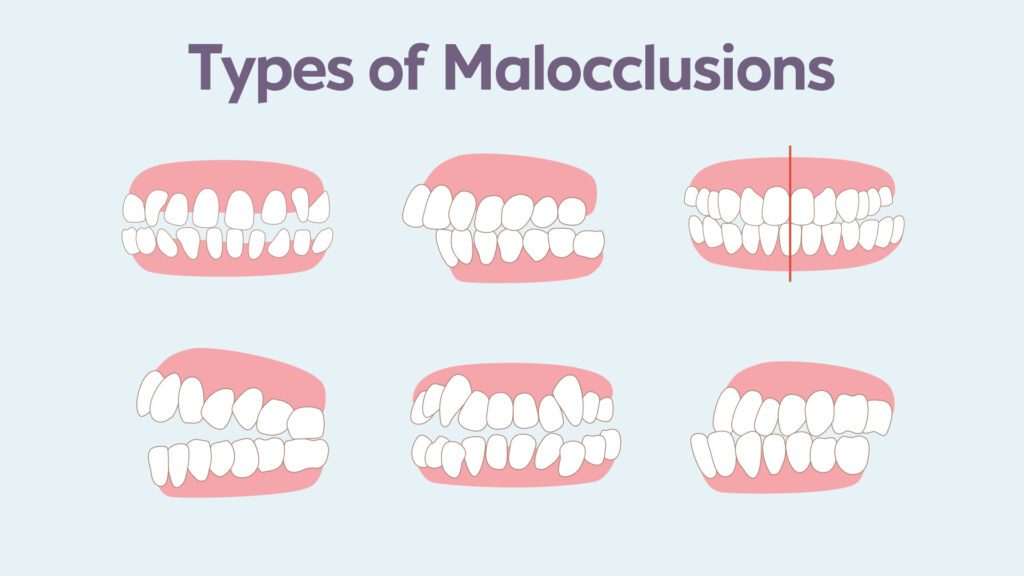
Dental malocclusion occurs according to a series of symptoms, many of which have to do with genetic inheritance or during childhood. We can classify the types of dental malocclusions as follows:

Types of dental malocclusion

Vertical dental malocclusions:

  • Open bite: the distance between the upper and lower incisors is greater than normal, leaving space between them.
  • Overbite: The teeth on the upper arch will cover more than one-third of the lower arch when closed.
  • Edge-to-edge bite: This happens when two incisors touch edge-to-edge when closed. The intersection point between the teeth of the upper and lower arch is 0 mm.

Transverse dental malocclusions:

Transverse malocclusions are caused by changes in the width of the jaws and/or anomalies in the inclination of the teeth.

  • Crossbite: The upper arch is inside the lower arch. It is usually characterized by a very narrow jaw.
  • Scissor bite: The upper arch is completely outside the lower teeth.

Sagittal dental malocclusions:

When we talk about sagittal dental malocclusions or in the anterior-posterior plane, we are referring to the following types, since they are abnormal:

  • Class I malocclusion: This anomaly is usually the most common among patients, although the bite is correct and there is a normal relationship between the teeth, the bite line is incorrect due to dental malpositioncrowdingrotation or other reasons. This also affects proper chewing and can cause cavities.
  • Class II malocclusion: the upper arch is more advanced than the lower arch. It can happen in crowding or non-crowding situations.
  • Class III malocclusion: the lower arch is located in front of the upper arch. It can occur with or without crowding.

At the Chagger Dental Clinic we are specialists in orthodontic and dental aesthetic treatments, since we offer you a solution adapted to your needs to improve your quality of life. If you need to improve your dental aesthetics and the complete functioning of your oral cavity, do not hesitate to contact us.

The post What is Dental Malocclusion? appeared first on Chagger Dental.

from Chagger Dental https://www.chaggerdental.com/blog/what-is-dental-malocclusion/
via https://www.chaggerdental.com/
How long does a Dental Cleaning last?

Teeth cleaning is an essential part of oral care, but questions often arise about how long a dental cleaning takes.

At Chagger Dental Clinic, we are going to try to address common questions such as:

  • How long does a dental cleaning last?
  • How long does a dental cleaning take?
  • Different types of dental cleanings
  • Dental cleanings benefits

How long does a teeth cleaning last?

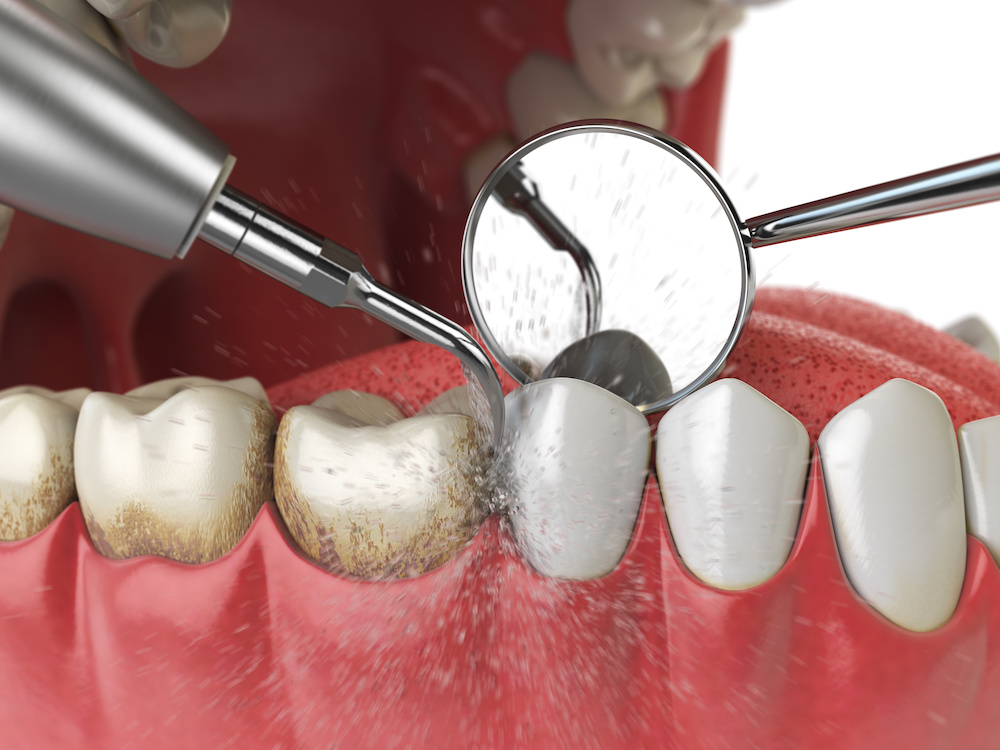
The duration of a standard dental cleanings varies, but in general, it usually takes around 30 to 45 minutes. This procedure begins with an initial examination by the dentist to evaluate the general health of the teeth and gums. Then, a dental hygienist will perform the cleaning itself, removing accumulated plaque and tartar.

Different Types of Dental Cleanings

There are different types of dental cleanings adapted to the needs of each particular patient. Standard cleaning is the most common, but deep dental cleaning is in some cases necessary to treat more advanced oral problems. These specialized cleanings can take longer, extending up to 60 minutes or more.

Deep Oral Cleaning

Deep dental cleanings involves the removal of plaque and tartar not only from the surface of the teeth, but also from the periodontal pockets. This process may take longer due to its more thorough nature, but offers significant oral health benefits.

Deep Oral Cleaning

Benefits of Dental Cleanings

Regular dental cleanings offer a number of benefits:

By removing plaque and tartar, you reduce the risk of cavities and periodontal disease, maintaining a healthy smile.

Possible Complications

Although dental cleanings are routine procedures, complications can arise in particular cases. Some people may experience temporary tooth sensitivity or bleeding gums. However, these side effects are usually mild and disappear quickly.

Dental Cleanings with Anesthesia

In situations where tooth sensitivity is an issue, dentists may offer a teeth cleaning under local anesthesia to ensure patient comfort. Although this procedure may take longer due to the administration of anesthesia, it is the best option for patients who suffer from tooth sensitivity.

How Long Should I Wait to Eat After a Dental Cleaning?

After a dental cleaning, it is advisable to wait at least 30 minutes before eating or drinking. This allows the teeth to absorb the fluoride applied during cleaning, thus strengthening tooth enamel.

How Do Teeth Look After a Dental Cleaning?

After a dental cleanings, teeth often feel softer and cleaner. Tooth enamel becomes brighter, and the feeling of freshness is evident. Additionally, removing surface stains can improve dental aesthetics.

How Many Times a Year Should a Dental Cleaning Be Done?

The recommended frequency for dental cleanings may vary depending on the needs of each patient, but in general, our recommendation is to perform an oral cleaning every six months. However, some cases may require more frequent cleanings, such as those with periodontal disease or a greater propensity for plaque buildup.

The duration of a dental cleanings can vary depending on the type of procedure and the needs of each patient. These cleanings are essential to maintain good oral health and prevent long-term problems. With proper frequency and aftercare, the benefits of a dental cleaning last, providing a healthy, radiant smile.

The post How long does a Dental Cleaning last? appeared first on Chagger Dental.

from Chagger Dental https://www.chaggerdental.com/blog/how-long-does-a-dental-cleaning-last/
via https://www.chaggerdental.com/
Types of dental fillings. Which one is best for me?

From Chagger Dental Clinic, we are going to take a brief tour through the different types of dental fillings and which one is the best? explaining its characteristics, materials and durability, so that you can choose the alternative that best suits your oral health needs.

When we talk about filling a tooth or molar, you should know that it is a treatment indicated to eliminate cavities. It basically consists of filing the damaged part of the tooth, thus preventing it from extending to the root.

Types of Dental Fillings

When exploring the types of dental fillings available, it is essential to understand their features and applications. We are going to detail three of the most common options:

White Filling

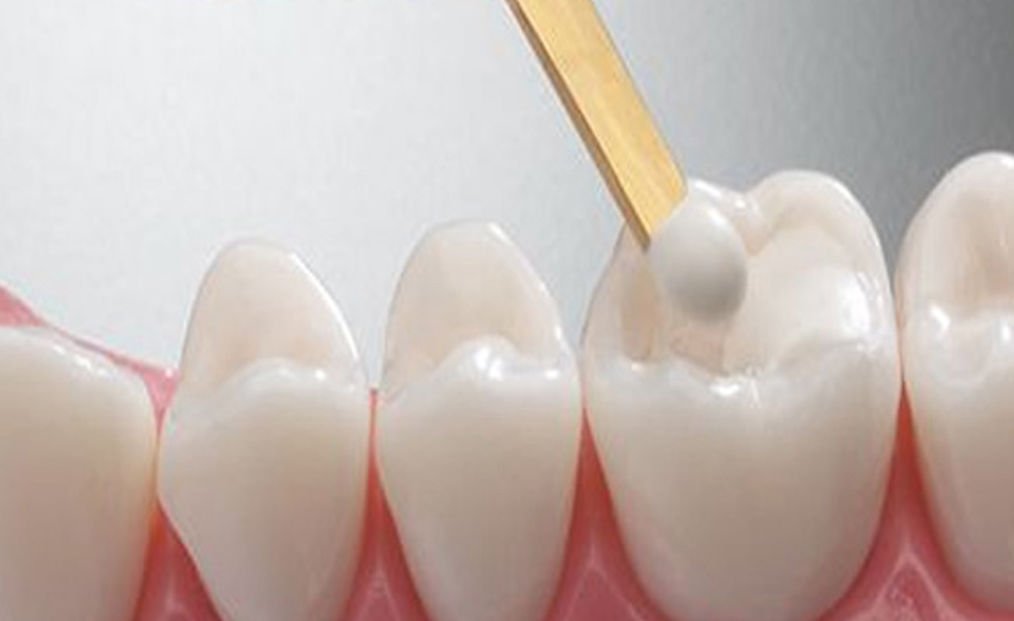
The white filling also known as a composite resin filling, is an excellent alternative to achieve a natural and effective result. This type of filling stands out for its ability to match the color of natural teeth, making it ideal for filling the most visible teeth.

White Dental Fillings

Composite Filling

The composite filling which is very similar to the white filling is a versatile and durable option. They are made up of a mixture of resin and ceramic or glass particles, which allows them to adapt to different areas of the mouth.

Composite Dental Fillings

Black Filling

On the other hand, we have the black filling known as amalgam, is a more traditional and less aesthetic option, which is not usually used today. They are composed of a mixture of mercury, silver, tin and copper. Although they are durable, their metallic appearance and safety concerns due to mercury may influence the choice.

Black Dental Fillings

When are dental fillings done?

Tooth fillings are carried out when a cavity or damage to the tooth is detected. Early detection and timely treatment are essential to prevent more serious dental problems in the future.

Material for dental fillings

The materials used in dental fillings may vary depending on the type selected. White and composite fillings are made of resin, while black fillings contain metals. The choice of material may depend on personal preferences and the specialist’s recommendations.

How long do fillings last?

The lifespan of dental fillings varies depending on the material and personal dental care. In general, white and composite fillings can last 5 to 10 years or more with proper maintenance, while black fillings tend to have an even longer lifespan.

What is the best dental filling?

Choosing the best dental filling will depend on each patient. White and composite fillings are ideal for front teeth due to their natural appearance, while black fillings may be better suited for back teeth. A dentist’s recommendation is essential to make an informed decision.

How many types of dental fillings are there?

In summary, there are three main types of dental fillings:

  • white filling
  • Composite filling
  • black filling

Each one has its own characteristics and applications. Choosing the right filling will depend on individual dental needs.

If you want to maintain a healthy smile, it is important to consider dental filling options with a professional.

The specialist will be able to evaluate the situation and recommend the type of dental filling that best suits personal needs and preferences.

Maintaining good oral hygiene and making regular visits to the dentist are key to keeping dental fillings in optimal condition and enjoying a healthy smile.

Shall we schedule an appointment?

The post Types of dental fillings. Which one is best for me? appeared first on Chagger Dental.

from Chagger Dental https://www.chaggerdental.com/blog/types-of-dental-fillings/
via https://www.chaggerdental.com/
What should I do if I have a dental fracture?

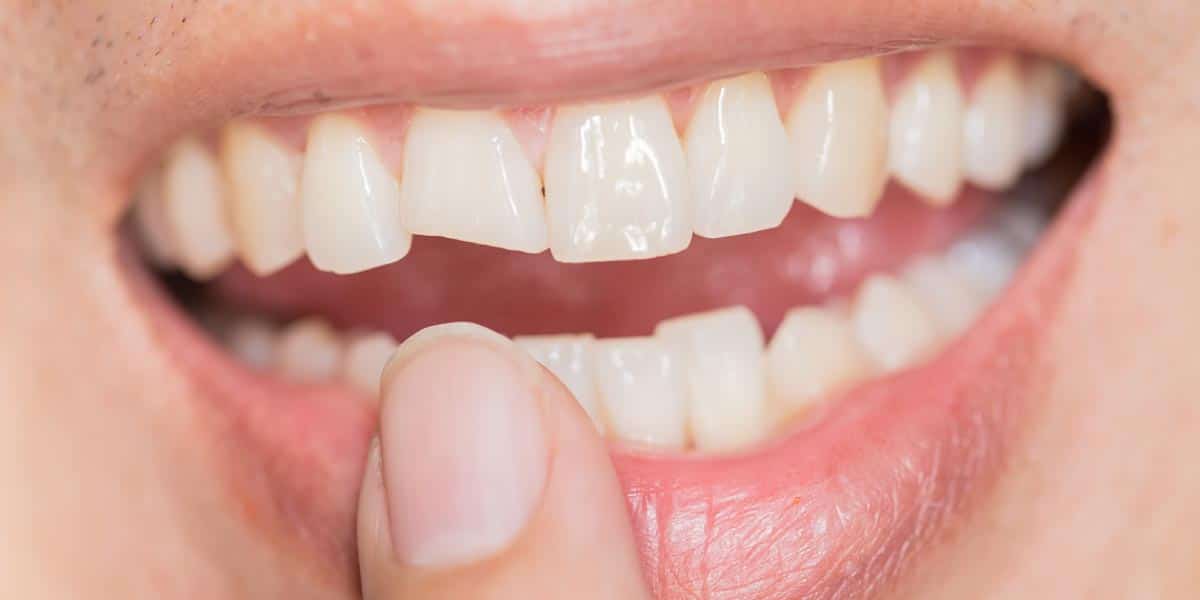
dental fracture is an injury that occurs in one or more parts of the mouth due to a blow, after chewing something excessively hard, or due to multiple circumstances. There are several types of dental fractures depending on the degree of damage they have on the tooth itself. Fortunately, today, all of them are treatable, even in a single visit to the dentist.

Types of dental fractures

As we have just mentioned, there are various types of dental fractures that affect the tooth in different ways. Among the most common, we find the following:

  • Enamel fracture: fracture restricted to the enamel with loss of tooth structure.
  • Enamel infringement: incomplete fracture without loss of tooth structure.
  • Enamel and dentin fracture: a loss of tooth structure occurs, without pulp damage.
  • Fracture of enamel and dentin with loss of tooth structure and exposure of the pulp.
  • Crown fracture without pulp involvement: affects enamel, dentin and cement with loss of tooth structure, but without pulp damage.
  • Crown fracture with pulp involvement: fracture that affects enamel, dentin and cement with loss of tooth structure and pulp.
  • Root fracture: it is one of the most serious, since it affects cementum, dentin and pulp. Root fractures can be classified based on whether the coronal fragment is displaced or not (i.e., whether or not there are dislocations).
  • Alveolar fracture: it is the most serious and painful, since it involves the alveolus. Teeth with alveolar fractures are characterized by movement of the piece.

Solutions and treatments for a dental fracture

As soon as a blow or accident occurs that affects the oral cavity, it is essential to assess the damage that has occurred and, to do so, the best recommendation is to go to a specialist. If you cannot go immediately, the first recommendations to follow are the following:

  • Rinse with salt water.
  • If the breakage has caused a sharp edge, cover the tooth with wax, paraffin, or chewing gum to prevent the tooth from causing damage to your tongue, inner cheek, or lip.
  • If you have pain, take a pain reliever or anti-inflammatory.
  • Don’t eat hard foods. If you have no choice but to eat, choose soft foods and avoid biting with a broken tooth.

dental fracture

Resin or porcelain inlays

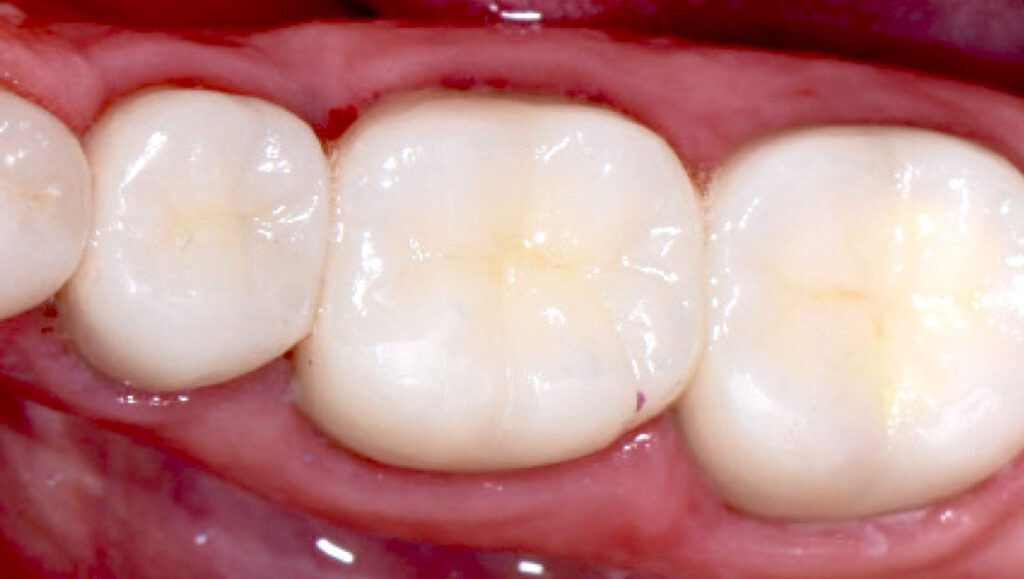
This is one of the most common treatments that professionals use in case of minor tooth fracture. Porcelain inlays are composed solely of glass ceramic. To design them, an impression is taken of the rest of the healthy tooth and the part of the tooth that has been lost is made. It is then cemented over the rest. Thanks to biocompatibility, color stability and good mechanical resistance, inlays are an advance in conservative aesthetic dentistry that can be an alternative to crowns when the tooth has sufficient dental structure despite having suffered a blow.

The porcelain inlay, in addition to replacing lost dental structures, must preserve what remains of them.

Dental crowns are designed to protect and improve the appearance of the tooth. They are individual restorations for each tooth, covering and reconstructing it in its entirety. Permanent crowns can be made of metal, porcelain fused to metal, resin or ceramic.

Metal crowns are very resistant, but if you want to opt for a natural appearance, it is best to opt for porcelain and resin crowns, since they provide a result that is practically identical to that of the original tooth.

dental veneers

It is the treatment that is applied when the fracture has only affected the tooth aesthetically. It consists of placing a thin layer of material that covers the front part of the affected teeth. There are two types of veneers: porcelain veneers, thin, custom-made sheets that are cemented onto the teeth, or composite veneers, which are made from a resin paste that is modeled on the tooth.

If the fracture or damage has been so severe that the pulp has been exposed (the center of the tooth that contains the nerves and blood vessels), it can be affected by bacteria and lead to a major infection. To end this problem, the best solution is to perform a root canal, that is, extract the dead pulp, clean the root canal and finally seal it. This treatment always has to be performed by a specialized endodontist.

Dental implants

This is the most indicated solution today for a dental fracture when the damage endangers the entire tooth. To do this, if the conditions are ideal, you can opt for treatment with immediate loading implants so that the patient leaves the consultation with their teeth replaced the same day.

Until a few years ago, it was necessary to wait a few months after tooth extraction to be able to place the dental implant. Immediate loading dental implants currently allow these periods to be reduced and the “osseointegration” process to begin on the same day as the extraction.

dental fracture

Contact us if you have any problem

At Chagger Dental we have been treating patients who have had some type of dental fracture for various reasons for years. This makes us experts, not only in diagnosing its severity, but also in its solution. Therefore, if you suffer from a dental fracture, we recommend that you make an appointment and come to our office as soon as possible to evaluate your case and perform the most effective treatment to solve your problem.

The post What should I do if I have a dental fracture? appeared first on Chagger Dental.

from Chagger Dental https://www.chaggerdental.com/blog/dental-fracture/
via https://www.chaggerdental.com/
Design a site like this with WordPress.com
Get started